
Cucurbit leaf curl virus
Cucurbit leaf
The causative agent of this disease is the Cucurbit leaf curl virus (CLCV), a member of the genus Begomovirus within the Geminiviridae family.
What the section contains
Cucurbit leaf curl virus
The virus is characterized by a circular single-stranded DNA genome and is exclusively transmitted by the whitefly Bemisia tabaci.
The pathogen persists in various weed hosts and perennial plants, which serve as primary inoculum sources before the growing season.
Transmission occurs in a persistent manner, meaning the whitefly remains infectious for an extended period after feeding on a symptomatic plant.
Mechanical transmission via sap or tools does not typically occur, making vector management the cornerstone of disease containment strategies.
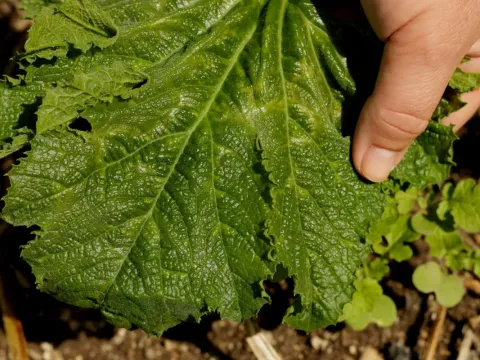
Early symptoms include interveinal chlorosis and upward curling of the leaf margins, which causes the foliage to take on a characteristic cupped appearance.
As the infection progresses, leaves become severely deformed, wrinkled, and exhibit a thickened, leathery texture that inhibits normal development.
Plants affected by the virus display significant stunting and shortened internodes, often resulting in a rosette growth habit at the top of the shoots.
Flowering is usually restricted, and if fruit set occurs, the resulting watermelons or melons are often malformed, stunted, and commercially unusable.
- Upward leaf curling and cupping.
- Severe leaf distortion and crinkling.
- Stunted plant growth and shortened internodes.
- Poor fruit quality and reduced yield.
- Yellowing of leaf veins in young growth.
Disease development is highly dependent on the population density of the silverleaf whitefly, which thrives in warm and dry environmental conditions.
Temperatures above 25°C facilitate rapid reproduction cycles for whiteflies, increasing the frequency of virus transmission across the field.
Adjacent weed populations act as reservoirs, providing a continuous supply of the virus and supporting vector populations throughout the year.
Late-season plantings located near older, infected cucurbit crops are at the highest risk of rapid colonization by viruliferous whiteflies.
Inadequate irrigation or poor nutritional management that stresses the plants may exacerbate the visual symptoms of the viral infection.
CLCV poses a severe economic threat to watermelon, melon, and squash production, often resulting in complete loss of marketable yield in heavily infested fields.
Early-stage infection leads to total crop failure, as plants cease to produce viable fruits and their overall vigor is permanently compromised.
The quality of harvested fruit from infected vines is drastically reduced, characterized by poor rind development and significantly lower sugar content.
Viral infections weaken the plant's overall defense mechanisms, increasing vulnerability to opportunistic pests and secondary fungal infections.
The impact is particularly devastating for commercial producers who rely on consistent output to maintain supply contracts in local and export markets.
Managing the whitefly population through integrated pest management (IPM) practices, including the use of systemic insecticides, is the most effective approach.
Cultural practices such as removing weeds around the field edges and implementing fallow periods help to minimize the available virus reservoir.
Utilizing physical barriers like insect-proof nets or reflective mulches can significantly reduce the landing and feeding of whiteflies on young crops.
Strict spatial and temporal isolation between different cucurbit plantings is crucial to breaking the cycle of virus transmission.
Producers are advised to monitor fields regularly for the presence of whiteflies and remove symptomatic plants to protect healthy neighboring crops.