
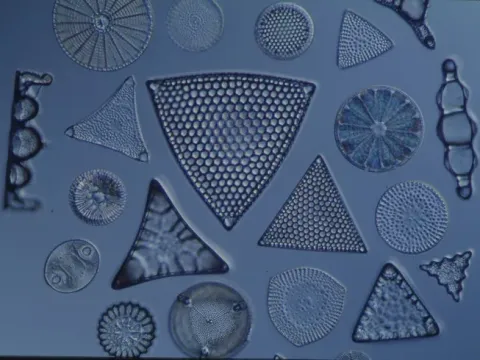
Cocconeidaceae algae
Cocconeidaceae
Cocconeidaceae is a family of diatom algae that can pose a significant challenge in greenhouses and hydroponic systems.
What the section contains
Cocconeidaceae algae
These organisms are not parasitic in nature but act as problematic epiphytes that colonize plant surfaces and equipment.
The cells of these algae are characterized by silica frustules, making them resistant to environmental fluctuations.
They proliferate rapidly when favorable light and nutrient conditions are met, forming dense mats on various substrates.
Spread primarily occurs via water circulation, contaminated tools, or airborne spores entering the growing environment.
The primary symptom is the emergence of a brownish or greenish-brown film on leaves, stems, or growing media.
This film often feels slippery or gelatinous and can easily be identified by its color and texture.
In hydroponic setups, the nutrient solution may develop a characteristic opaque film on the surface.
Plants affected by these algae often exhibit stunted growth and yellowing of foliage due to light starvation.
- brown slimy patches on stems;
- a coating on the leaves reducing photosynthesis;
- crust formation on rockwool or coco coir media.
High levels of direct light exposure on reservoirs or moist surfaces are the main driver for rapid colonization.
Warm temperatures ranging from 20°C to 26°C accelerate the reproductive cycle of the diatom colonies.
Excessive phosphorus and nitrogen concentrations in irrigation water promote the vigorous growth of these organisms.
High humidity and poor ventilation facilitate the survival and spread of spores within the greenhouse.
Standing water in trays or poorly drained areas provides a perfect breeding ground for these algae.
The main harm caused by these algae is the shading effect, which severely inhibits the plant's photosynthetic efficiency.
Algal growth can clog growing media pores, severely restricting oxygen availability to the root system and causing hypoxia.
They compete for essential nutrients in the solution, negatively affecting the overall uptake capacity of the plant.
The slimy surface created by algae encourages secondary infections, including root rot and bacterial pathogens.
Ultimately, a heavy infestation leads to yield loss and poor quality of harvested plant products.
Shading reservoirs and using opaque materials for pipes effectively limits the light available to algae.
Regular maintenance of the irrigation system, including cleaning filters and flushing pipes, is essential to prevent buildup.
Implementing UV sterilization in the circulating system effectively kills algal spores before they can colonize.
Maintaining a balanced nutrient regime prevents the accumulation of excess fertilizers that fuel algal growth.
Proper air circulation and humidity control help keep plant surfaces dry and unsuitable for colonization.