
Coccotrematosis
Coccotremataceae
Coccotrematosis is a condition characterized by the colonization of woody plants by lichens of the Coccotremataceae family. While these are not aggressive parasites in the traditional sense, they form visible crusts on tree bark.
What the section contains
Coccotrematosis
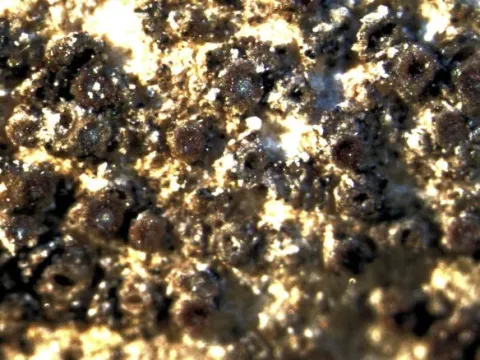
The primary symptom is the appearance of gray, greenish, or yellowish patches or circular plaques on the stems and branches of trees. These structures can be crustose and firmly attached, giving the bark a rough, uneven texture.
In many cases, the presence of these lichens covers large areas of the trunk, masking the natural color and health indicators of the bark. This is particularly noticeable in older trees with thicker, more weathered bark.
The physical presence of the lichen can interfere with the tree's lenticels, which are essential for gaseous exchange. As a result, the vitality of the affected part of the plant may gradually decline over time.
Distinguishing this condition from other fungal diseases is crucial. Unlike necrotic fungi that penetrate wood deeply, Coccotremataceae typically remain on the surface, though they can trap moisture and debris against the bark.
The pathogens involved in coccotrematosis are members of the Coccotremataceae family. These organisms are symbiotic structures composed of a fungal partner and a photosynthetic algal or cyanobacterial partner.
The fungal component provides the structural framework, adhering to the tree bark and protecting the organism from desiccation. Meanwhile, the photosynthetic partner provides essential carbohydrates required for the growth of the colony.
These lichens propagate via spores, which are dispersed by wind or splashing water. Once they land on a suitable surface with adequate moisture, they begin to develop, forming a new colonial structure.
The relationship between the lichen and the host plant is primarily epiphytic. However, the accumulation of lichen biomass can modify the microenvironment of the bark surface, potentially affecting the tree's physiological balance.
Scientific research into this family highlights their specialized adaptation to tree bark environments. Understanding the biology of these organisms is vital for distinguishing them from more harmful wood-decay fungi.
High relative humidity is the most significant factor facilitating the development of coccotrematosis. Stagnant air and poor ventilation around the tree canopy significantly increase the risk of colonization.
Shaded environments within a dense canopy provide the cool, moist conditions that Coccotremataceae prefer. Lack of sufficient sunlight exposure limits the bark's own ability to dry out, making it hospitable to lichen growth.
Trees in a weakened state due to poor nutrition, lack of pruning, or other stressors are more susceptible to colonization. A thick layer of dead bark provides an ideal substrate for the lichen to establish itself.
Geographical regions with frequent fog, heavy dew, or prolonged wet seasons show a higher incidence of the disease. The longevity of moisture on the bark surface is directly proportional to the growth rate of the lichen.
Lack of regular maintenance, such as trunk cleaning, allows colonies to persist and expand over several years. This leads to the gradual coverage of larger portions of the branch structure.
The harm caused by coccotrematosis is primarily physical and physiological. By covering the lenticels, the lichen restricts essential oxygen exchange, which can impede the bark's metabolic processes.
Large lichen colonies can act as a refuge for various pests, including scale insects and mites, providing them with protection against environmental threats and chemical treatments.
The continuous contact with the lichen can keep the underlying bark constantly moist, potentially facilitating the entry of secondary wood-decay fungi. This compromises the integrity of the tree's defensive layers.
While rarely causing immediate mortality, the long-term impact includes reduced growth vigor and potentially lower fruit quality. The tree redirects energy to manage the physiological stress caused by the crusts.
From an aesthetic perspective, coccotrematosis is damaging to orchards and ornamental gardens. The presence of thick lichen growth is often perceived as a sign of neglect, reducing the value of the plants.
Proper pruning is the fundamental preventative measure. By increasing light penetration and air circulation throughout the canopy, growers can create an environment that is unfavorable for lichens.
Mechanical cleaning of the trunk and main branches using soft wire brushes or scrapers during the dormant season is highly effective. This removes the lichen without causing significant damage to the inner bark.
Whitewashing trunks with a lime-based mixture is a traditional and effective approach. The high pH created by the lime inhibits the growth of lichens and helps maintain tree health.
Copper-based fungicides applied during the dormant period are effective in eliminating existing colonies. These treatments are best performed in early spring before the buds begin to break.
- Regular canopy thinning
- Mechanical removal of lichen crusts
- Trunk whitewashing with lime
- Copper-based fungicide applications
- Optimizing tree nutrition and soil care