
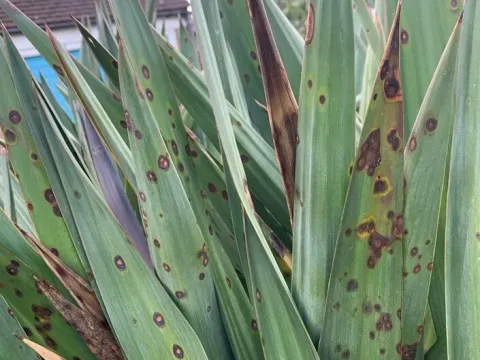
Cocconia concentrica
Cocconia concentrica
The causative agent of this disease is the fungus Cocconia concentrica, which belongs to the class of ascomycete fungi. It is a specialized pathogen known for colonizing the foliage of various woody plants and shrubs.
What the section contains
Cocconia concentrica
The life cycle of the fungus involves the formation of specialized fruiting bodies that develop within the leaf tissue. These bodies produce spores, which serve as the primary means of dispersal for the pathogen.
As a parasitic organism, it derives its sustenance from the plant's cells, systematically destroying leaf tissues and disrupting the plant's vital physiological functions.
The fungus survives the winter dormant phase in fallen leaves or twigs, which act as the main reservoir for the infection when conditions become favorable in the spring.
Mycelial growth expands from the initial point of infection, penetrating the leaf surface and leading to the characteristic visual manifestation of the disease.
The defining diagnostic feature of the infection is the development of concentric rings or zones on the leaf surface, which gives the fungus its distinct name.
Initial symptoms appear as small, chlorotic spots that gradually darken, turning into brown or necrotic patches that show a clear circular arrangement.
As the disease progresses, these lesions expand, and tiny, dark fruiting bodies of the fungus may emerge within the necrotic zones, visible upon close inspection.
Severe infestations frequently result in chlorosis and premature leaf drop, which can significantly alter the plant's appearance and overall health status.
The concentric pattern helps differentiate this specific pathogen from other common fungal leaf spots that typically produce irregular or angular necrotic shapes.
High humidity and consistent leaf wetness are the primary environmental drivers that facilitate the germination and penetration of Cocconia concentrica spores.
Moderate temperatures combined with rainy weather patterns during the growing season create the perfect microclimate for the rapid spread of the disease.
Poor airflow within dense plantings or shaded garden areas helps maintain high moisture levels, which encourages the development of the fungal colonies.
Periods of prolonged rain followed by warm, humid days are high-risk windows for the mass dispersal of spores throughout a plantation or nursery.
Plants that are already under stress, whether due to poor soil conditions or mechanical injuries, are far more likely to succumb to the infection compared to healthy, vigorous specimens.
The disease reduces the plant's photosynthetic capacity, which limits the energy production necessary for healthy growth, development, and winter preparation.
Premature leaf drop causes significant plant exhaustion, often leading to reduced vigor and stunted growth in subsequent growing seasons.
Increased vulnerability to secondary pests and pathogens is a common consequence, as the plant uses its limited energy reserves to cope with the fungal damage.
In ornamental plants, the visual damage caused by the concentric spotting drastically lowers the aesthetic and economic value of the greenery.
If the infection impacts fruit-bearing trees, the overall yield and fruit quality can be adversely affected, compromising the productivity of the orchard.
Effective management begins with sanitation; collecting and destroying fallen leaves is essential to eliminate the primary sources of overwintering inoculum.
Proper pruning techniques should be employed to improve light penetration and air circulation throughout the crown, which effectively lowers leaf moisture levels.
Fungicide treatments, including both contact and systemic formulations, are highly effective when applied preventively or upon the early onset of disease symptoms.
Copper-based protective sprays applied during the dormant season can significantly reduce the potential for infection and suppress fungal development.
- Monitor plantings regularly to detect early signs of the fungus
- Apply balanced fertilization to boost the plant's natural immune system
- Ensure proper plant spacing to prevent moisture accumulation
- Remove and discard heavily infected plant parts immediately