
Coccomycosis
Coccomyces
Coccomycosis is caused by the ascomycete fungus Blumeria hiemalis (formerly Coccomyces hiemalis), which primarily targets stone fruit trees such as cherries and plums.
What the section contains
Coccomycosis
The disease cycle begins in spring when ascospores are released from overwintered fallen leaves, initiating the primary infection of the new canopy.
Secondary spread is facilitated by conidia, which are disseminated by wind and splashing raindrops throughout the growing season, causing multiple cycles of infection.
The fungal mycelium invades the plant tissue through the stomata, eventually leading to the disruption of cellular functions within the leaf blade.
The pathogen is highly specialized and persists in the environment by surviving in the debris of affected trees, making orchard hygiene critical.
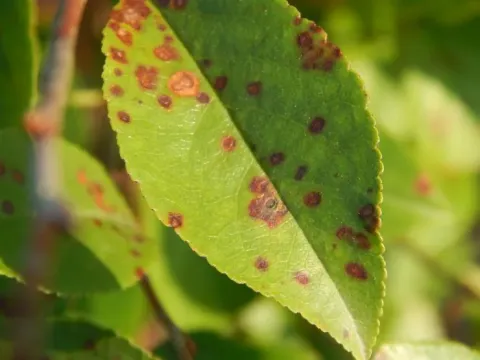
Initial symptoms include the appearance of tiny, reddish-brown spots on the upper surface of leaves, which are the hallmark of the early infection stage.
As the disease progresses, these spots expand and coalesce, while small white-to-pinkish pustules develop on the underside of the leaves, indicating active spore production.
Severe infection leads to chlorosis, where leaves turn yellow or brown and drop prematurely, often leaving the tree bare long before autumn.
Fruit can also be affected, displaying depressed, dark spots, tissue deformation, and premature shriveling, rendering them unmarketable.
Twigs are occasionally infected, though the most visible and damaging impact remains concentrated on the foliage and the overall fruit yield.
The development of coccomycosis is strongly favored by warm and humid weather conditions, particularly during wet summers with frequent rainfall.
The optimal temperature range for spore germination and infection is between 15 and 20 degrees Celsius, coupled with leaf wetness duration of several hours.
Poor orchard ventilation due to dense canopy structure or improper spacing increases local humidity, creating a perfect environment for fungal propagation.
Trees that are stressed due to poor nutrition, waterlogging, or pest infestations show higher susceptibility to the disease.
Mild winters allow the fungus to overwinter successfully in infected leaf litter, ensuring a high inoculum level for the following growing season.
Premature defoliation significantly impairs the tree's ability to photosynthesize, resulting in a severe depletion of nutrient reserves before winter dormancy.
The lack of stored energy makes the trees highly vulnerable to winter injury, often leading to partial or total frost damage even in mild climates.
Yield reduction is significant, as the tree fails to produce enough healthy fruit buds for the next year, leading to a biennial bearing pattern.
Affected fruit loses quality, texture, and sugar content, making the harvest unsuitable for fresh consumption or industrial processing.
If left unmanaged, chronic infections weaken the tree's immune system, potentially leading to the death of the tree after several years of stress.
The primary control measure is rigorous orchard sanitation, which includes removing and destroying all fallen leaves to eliminate the overwintering inoculum.
Pruning strategies should aim to keep the tree crown open to sunlight and air, which promotes faster drying of foliage and hinders fungal growth.
Chemical control involves the application of fungicides, specifically copper-based sprays or systemic triazoles, during critical periods like pre-bloom and post-harvest.
It is essential to implement a resistance management strategy by rotating different classes of fungicides throughout the spray program.
Regular monitoring of the orchard during humid weather allows for timely intervention before the disease reaches epidemic proportions.