
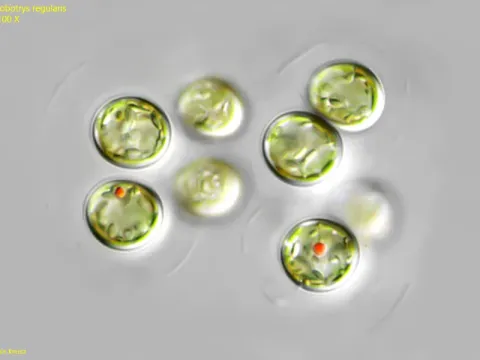
Chlorobotrys regularis
Chlorobotrys regularis
Chlorobotrys regularis is a species of yellow-green algae (Xanthophyceae) that can colonize soil surfaces and plant parts under high-moisture conditions.
What the section contains
Chlorobotrys regularis
This organism is characterized by its ability to photosynthesize and form distinct mucus-covered colonies on various moist substrates.
While not a traditional fungal pathogen, its presence is a significant indicator of environmental imbalances within the crop cultivation area.
These algae utilize available moisture and light, allowing them to proliferate rapidly on the surface of potting soil or greenhouse ground cover.
The biology of this species is highly adapted to humid environments, often making it a persistent issue in poorly ventilated settings.
The primary symptom is the emergence of a yellow-green or bright green film on the top layer of the substrate.
The surface texture often becomes slimy, creating a visible crust that can be easily peeled off or disrupted through mechanical action.
Plants affected by proximity to the algae may show stunted growth, chlorosis, or general signs of physiological stress due to poor aeration.
In greenhouse settings, algae might coat the base of stems, creating a wet environment that attracts pests and promotes secondary fungal infections.
- Greenish film on the soil surface
- Slimy texture of the substrate
- Growth suppression of seedlings
- Increased surface moisture retention
The development of Chlorobotrys regularis is strictly linked to constant overwatering and high relative humidity in the growing environment.
Poor soil drainage and inadequate airflow are the leading causes for the establishment of these algal colonies.
Temperatures between 18°C and 25°C, coupled with adequate light, provide the necessary energy for rapid photosynthesis and colony expansion.
High nutrient concentration on the soil surface, resulting from over-fertilization, often accelerates the proliferation of these organisms.
Lack of periodic surface drying is the most significant factor allowing these colonies to persist and spread across nursery trays or soil beds.
The primary danger lies in the physical sealing of the soil surface, which creates an anaerobic environment for plant roots.
The slimy algal layer prevents proper gas exchange, hindering root respiration and nutrient uptake during the critical development stages.
By creating a permanently wet zone at the base of the plant, these algae increase the risk of stem rot and root decay.
The reduction in soil porosity disrupts the water-air balance, which is vital for the healthy development of young seedlings and delicate crops.
Economically, the presence of these algae reduces the commercial value of ornamental plants due to the unpleasant appearance of the growing medium.
The most effective strategy is to adjust irrigation schedules to ensure that the top layer of the substrate has time to dry out.
Mechanical breaking of the surface layer through regular light cultivation (hoeing) is essential to destroy established colonies.
Improving greenhouse ventilation is critical to lowering humidity levels and making the environment less hospitable for algae.
For severe infestations, the application of registered algaecides or copper-based treatments may be used with caution.
Proactive measures should focus on using sterile, well-draining potting mixes and maintaining cleanliness to prevent initial colonization.