
Chlorophyllum agaricoides
Chlorophyllum agaricoides
Description
Symptoms
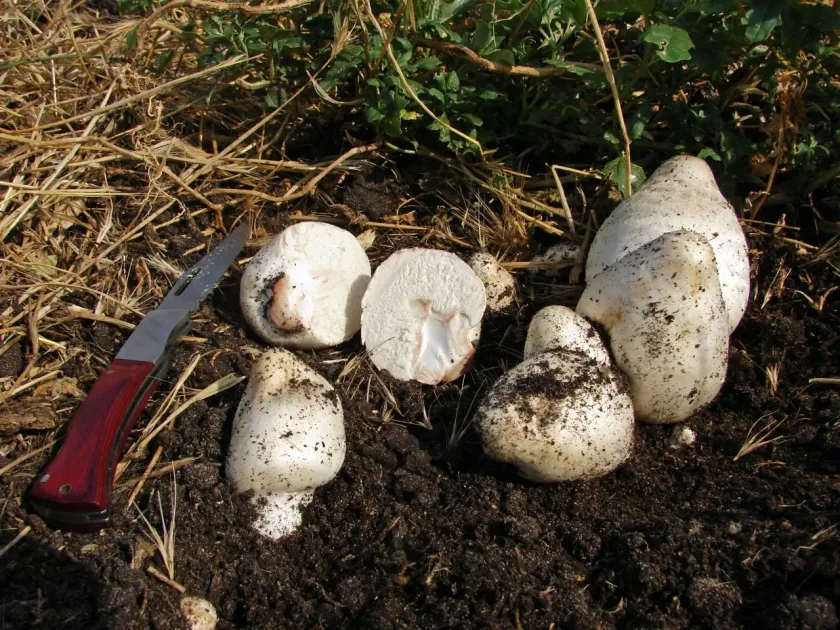
The most visible sign of Chlorophyllum agaricoides is the formation of fruiting bodies. These bodies are often squat, appearing as white to brownish, dry, and scaly mushroom-like structures.
The cap of the fungus often fails to expand fully, remaining in a globose or semi-globose shape, often remaining partially buried beneath the soil or mulch surface.
On close inspection, the surface of the fruiting body shows characteristic small scales, which can help distinguish it from other soil-borne fungi that appear in vegetable patches.
The fungus may be detected by an earthy, sometimes slightly musty odor, especially after heavy rains or when the ground is disturbed, which releases the scent of the maturing spores.
No symptoms of wilting, chlorosis, or necrosis on the plant foliage itself are typically observed, as the fungus does not derive its energy from the host plant directly.
Pathogen
Chlorophyllum agaricoides is a unique basidiomycete fungus that often appears in managed soils, particularly where high levels of organic matter are present. While not a direct plant pathogen, its presence is a significant indicator of soil biological conditions.
Classified as a saprotroph, this fungus derives its nutrition from the decomposition of dead organic plant material. Its biology is centered on the rapid breakdown of complex carbon sources in the soil profile.
Agronomically, this organism is considered a soil-dwelling fungus. It rarely attacks healthy, living plant tissue, yet it can colonize the root zone if the environment is rich in partially decomposed organic debris.
The fungus produces distinctive fruiting bodies that are often misidentified due to their peculiar morphology, which can appear as semi-submerged, sponge-like structures.
Understanding its lifecycle is crucial for farmers and gardeners, as its appearance often points to imbalances in soil management and organic matter turnover rates.
Conditions for development
This fungus thrives in environments with high concentrations of undecomposed organic matter, such as raw compost, straw, or manure added to the soil without proper aging.
Optimal development occurs under conditions of moderate temperatures combined with high soil moisture, which allows the mycelial network to spread effectively.
Poor soil aeration and lack of cultivation are major contributing factors, as these conditions favor the deep colonization of the soil by the fungal mycelium.
The presence of dense mulch or heavy clay soils that retain water also provides an ideal habitat for the establishment of Chlorophyllum agaricoides colonies.
Peak activity typically occurs during late summer and autumn, when climatic factors trigger the mass production of the characteristic fruiting bodies.
Why it matters
Although it does not infect plants, the fungus can harm crops indirectly by competing for essential nitrogen and other nutrients during the organic matter decomposition process.
In greenhouses and seedbeds, the density of the fungal mycelium can physically impede the development of delicate seedling root systems, leading to stunted growth.
The presence of the fungus in potting mixes or high-value growing media can lead to an unfavorable pH change, which may stress sensitive greenhouse vegetables.
Aesthetically, the presence of numerous fruiting bodies can be a major nuisance in landscaping, golf courses, or lawns, where a uniform surface is desired.
The fungus acts as an indicator that the soil management system is not properly balanced, which might lead to other biological issues if the environment remains stagnant.
Protection
The primary control method is the proper maturation and aerobic composting of organic amendments. Fully decomposed organic material eliminates the food source for the fungus.
Regular cultivation and tilling of the soil improve aeration, breaking up mycelial mats and preventing the fungus from establishing a dominant presence in the root zone.
Mechanical removal of fruiting bodies before they mature and release spores is an essential step to prevent the spread of the fungus throughout the growing season.
Optimizing water management and drainage prevents the soil surface from staying excessively moist, which is essential for inhibiting fungal development.
The introduction of beneficial microorganisms, such as Trichoderma species, into the soil can outcompete the fungus for resources, effectively suppressing its growth naturally.
Discussion
No discussions yet — be the first.