
Eyespot
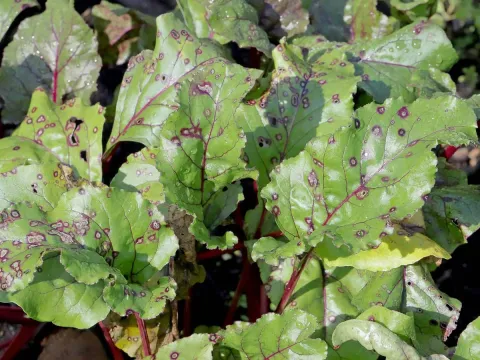
Cercostigmina
The causal agent of eyespot is the fungus Pseudocercosporella herpotrichoides, a specialized pathogen that primarily targets the stem base of cereal crops like wheat and barley.
What the section contains
Eyespot
This fungus survives in crop residues and soil, acting as a persistent threat in fields where monocropping of cereals is practiced over several years.
The disease cycle begins with the production of conidia that are splashed by rain onto the lower stems of seedlings, leading to early infection during cool and moist periods.
It is a slow-growing pathogen that requires prolonged contact with the host plant to penetrate the outer layers of the stem and colonize the vascular tissues.
The fungus is highly adapted to temperate climates, showing significant activity during winter and early spring, which makes it a major concern for winter cereal production.
The hallmark symptom is the formation of lens-shaped, eye-like lesions on the stem base, which typically feature a light center surrounded by a dark brown necrotic border.
As the infection progresses, these lesions can coalesce, eventually girdling the entire circumference of the stem base and disrupting internal water transport.
A classic sign of severe infestation is stem breakage, where the weakened stems snap near the base, causing the crop to lodge in irregular patterns across the field.
Inside the infected stems, a greyish mycelial mat is often visible, indicating the presence and colonization of the fungal pathogen within the plant's structural tissues.
On leaf sheaths, the infection appears as brown discolorations that eventually kill the tissue and extend towards the upper internodes if conditions remain favourable.
Eyespot development is heavily dependent on cool and wet weather conditions, with optimum temperatures ranging between 5°C and 15°C.
High humidity and prolonged rainfall facilitate the spread of spores from infected plant debris to healthy stems, especially in dense crop stands.
Fields with poorly drained soils or heavy clay textures often experience more severe outbreaks due to the moisture retention at the soil surface.
Excessive nitrogen fertilization can lead to vigorous but soft growth, making plants more susceptible to penetration by the fungus during the tillering stage.
Early sowing of winter cereals can also increase the risk, as it provides a longer period for the pathogen to establish infection before the cold winter dormant season.
The primary damage caused by eyespot is the restriction of nutrient and water flow, which results in stunted growth and a significantly reduced grain weight.
Lodging caused by stem breakage leads to heavy harvest losses, as combine harvesters struggle to recover the fallen crop efficiently.
In severe infections, the disease can cause premature ripening or complete death of the tillers, leading to a substantial decrease in total grain yield per hectare.
Quality parameters of the grain are often negatively impacted, as the plant lacks the necessary resources to properly fill the kernels during the grain-filling stage.
Weakened plant bases also increase susceptibility to other secondary fungal infections and environmental stresses, further compromising the overall vitality of the crop.
Effective management begins with robust crop rotation, avoiding the cultivation of susceptible cereal crops in the same field for at least two to three consecutive years.
Proper burial of infested stubble through deep tillage helps reduce the initial inoculum level by accelerating the decomposition of host plant materials.
Fungicide application at the correct growth stage, typically at the start of stem elongation, is a critical step in preventing the disease from causing structural damage.
Selecting varieties with genetic resistance to eyespot is an efficient long-term strategy for minimizing disease impact in areas with a history of outbreaks.
- Monitoring crop density to ensure adequate airflow.
- Balanced fertilization practices to avoid excessive vegetative growth.
- Choosing certified seeds with high germination potential.