
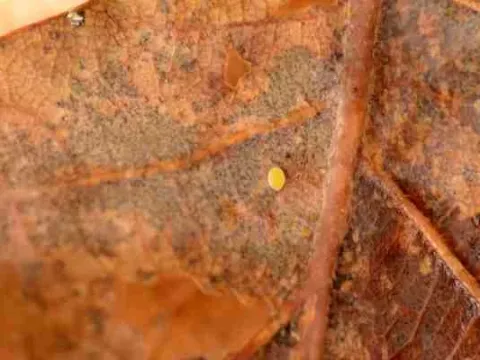
Calycellina
Calycellina
The disease is caused by a fungus belonging to the genus Calycellina. This microscopic ascomycete fungus often thrives on decaying organic matter and weakened plant tissues.
What the section contains
Calycellina
As a pathogen, it exhibits both saprotrophic and weak parasitic tendencies, allowing it to colonize healthy plants when environmental conditions become favorable for its growth.
The life cycle involves the production of small, disc-shaped fruit bodies called apothecia, from which spores are released into the environment during humid periods.
Dispersal is primarily driven by wind and rain splashing, which facilitate the movement of infectious spores to nearby healthy leaves and stems.
The fungus is highly resilient, capable of persisting in the soil and on crop residues, ensuring its survival across different growing seasons.
The primary symptom includes the appearance of small, chlorotic or necrotic spots on the leaf surface, which gradually expand as the infection progresses.
Under high humidity, tiny cup-shaped apothecia appear on the necrotic tissues, which are a characteristic diagnostic feature of this fungal infection.
Chlorosis (yellowing) of leaves is common, as the fungus interferes with the plant's ability to carry out efficient photosynthesis, leading to overall plant stress.
In cases of stem infection, the tissue can become soft and water-soaked, significantly reducing the structural integrity of the plant and leading to lodging.
Severe infestations cause premature senescence of foliage, leading to leaf drop and a significant reduction in the photosynthetic capacity of the entire canopy.
High humidity and prolonged periods of wet weather are the most critical factors favoring the development and rapid spread of the disease.
Moderate temperatures ranging between 15°C and 22°C create an ideal thermal environment for the germination of fungal spores and subsequent colonization of plant tissues.
Poor air circulation within dense canopies traps moisture, providing a perfect microclimate for the pathogen to thrive and infect adjacent healthy plants.
The accumulation of unmanaged crop residues provides a consistent source of inoculum, allowing the fungus to initiate infection early in the growing season.
Excessive nitrogen fertilization often results in soft, succulent growth that is more easily penetrated by the fungal hyphae compared to plants with balanced nutrition.
The economic impact of the disease is largely due to significant yield losses resulting from reduced leaf area and impaired plant health.
Grain or produce quality often suffers, as the presence of the pathogen affects the biochemical balance and overall vigor of the harvested product.
Infected crops are more susceptible to secondary infections and environmental stress, which can lead to a further decline in total biomass production.
Producers face increased costs associated with fungicide applications and additional field management practices required to mitigate the damage.
Without proper intervention, the infection can rapidly spread through a field, resulting in extensive damage and loss of market value for the affected crop.
Cultural practices, such as crop rotation, are essential for breaking the disease cycle and reducing the pressure of inoculum in the soil.
Deep plowing and proper field sanitation help bury and decompose infected plant materials, significantly lowering the risk of spring infections.
The selection and cultivation of resistant or tolerant varieties remain the most effective and sustainable strategy for managing fungal diseases.
Targeted fungicide applications, if applied at the first signs of symptoms, can prevent the wide-scale development of the disease and protect the yield potential.
- Maintain proper plant spacing to improve airflow.
- Remove weeds that may act as alternative hosts.
- Monitor nitrogen levels to avoid overly succulent growth.