
Calycellina ochracea
Calycellina ochracea
Description
Symptoms
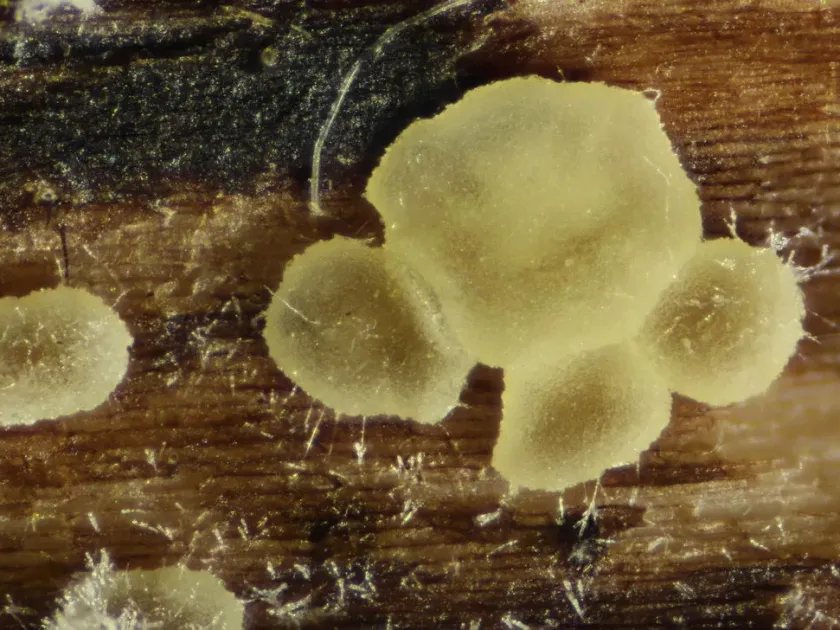
The most distinctive sign of Calycellina ochracea infection is the presence of tiny, dense clusters of ochre-colored fruiting bodies appearing on the surface of stems.
The affected plant tissues often show signs of browning or discoloration, indicating the enzymatic activity of the fungus as it breaks down the structural integrity of the plant cells.
Microscopic analysis of the infected areas reveals the penetration of fungal hyphae through the epidermis, which can lead to localized necrosis and softening of the tissue.
As the infection progresses, affected stems may become fragile and brittle, often snapping under mechanical stress or high winds during the growing season.
In addition to the physical fruiting bodies, the overall appearance of the plant may decline, characterized by premature wilting or yellowing of the lower foliage due to compromised vascular health.
Pathogen
Calycellina ochracea is a species of ascomycete fungus that belongs to the order Helotiales. It is primarily a saprotrophic organism that thrives on decaying plant material, especially stalks and petioles.
The fungus is characterized by its small, cup-shaped fruiting bodies, known as apothecia, which typically exhibit an ochre or yellowish-brown pigmentation. These structures are the primary diagnostic feature used for identification.
From a biological perspective, this fungus serves as a decomposer in agricultural and forest ecosystems, breaking down organic cellulose and lignin components of plant tissue.
The life cycle involves the production of spores that are easily dispersed by wind and splashing rain, allowing the fungus to colonize new substrates rapidly during humid conditions.
While often found on dead organic matter, the species has been observed acting as a secondary colonizer, potentially invading weakened or stressed living plant tissues under specific conditions.
Conditions for development
The proliferation and development of Calycellina ochracea are heavily dependent on high levels of atmospheric and surface moisture, with humidity levels above 80 percent being highly conducive.
Moderate temperatures ranging from +15 to +22 degrees Celsius provide the ideal environmental window for the germination of spores and the subsequent expansion of the fungal colony.
Poorly managed agricultural fields with heavy accumulations of crop residues on the soil surface provide a perfect habitat for the fungus to persist and thrive between growing seasons.
Dense planting patterns that restrict airflow create localized microclimates with stagnant, humid air, which significantly increases the risk of fungal spread across the field.
Lack of proper field sanitation following harvest, including the failure to bury crop debris, contributes to the buildup of inoculum, which poses a risk to subsequent crop rotations.
Why it matters
The primary damage caused by Calycellina ochracea relates to the degradation of the mechanical strength of plant stems, which increases the likelihood of crop lodging.
By disrupting the structural health of the plant, the fungus can impede the efficient transport of water and nutrients, leading to reduced grain fill and smaller, lower-quality yields.
Plants affected by the fungus show decreased resilience to environmental stressors, such as extreme heat or moisture deficits, further compounding potential yield losses.
The presence of this fungus on seed crops can be particularly damaging, as it may compromise the overall health and vigor of the harvested seed, affecting its germination potential.
In cases of severe infestation, the cumulative impact of fungal decay can lead to the widespread death of individual plants, significantly reducing the density and productivity of the crop stand.
Protection
The most effective strategy for managing this fungus is thorough field sanitation, including the deep plowing of crop residues to accelerate the decomposition process and destroy fungal habitats.
Crop rotation remains a fundamental practice, as it breaks the continuous cycle of host availability, effectively preventing the buildup of Calycellina ochracea in the soil.
Adjusting sowing densities to ensure adequate plant spacing helps to improve airflow and reduce humidity levels, creating an environment that is less favorable for fungal colonization.
In high-risk scenarios, the application of preventative fungicides during periods of excessive rainfall can help to mitigate the spread and impact of the pathogen on sensitive crops.
- Deep tillage for residue incorporation.
- Implementation of diverse crop rotations.
- Monitoring and maintenance of field moisture.
- Application of fungicides during high-humidity periods.
Discussion
No discussions yet — be the first.