
Calvatia cyathiformis
Calvatia cyathiformis
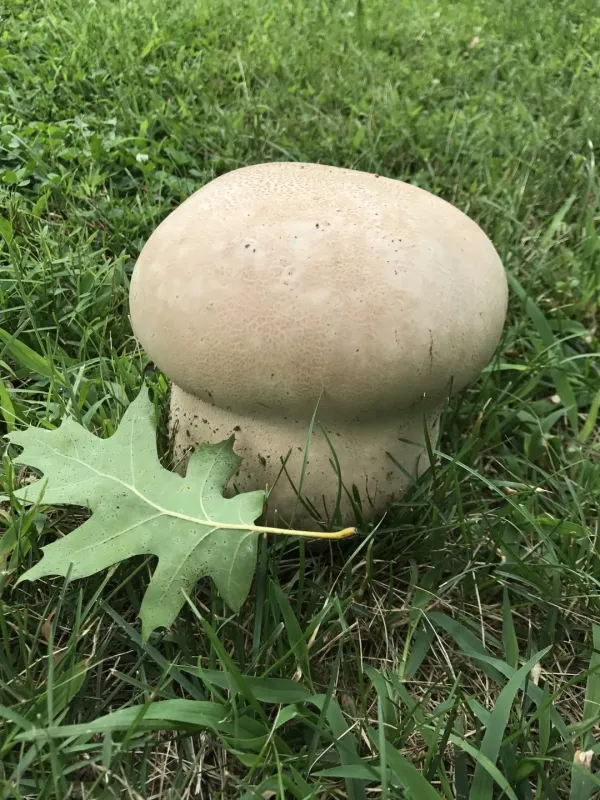
Description
Symptoms
During the growing season, gardeners and farmers may observe spherical or pear-shaped fruiting bodies ranging from 10 to 20 centimeters in diameter.
Young specimens are typically light in color, but as they reach maturity, the outer layer becomes fragile and eventually breaks apart.
The interior, known as the gleba, transitions from a firm white substance to a dark, powdery mass of spores, which is a hallmark of the species.
When the fruiting body is disturbed by wind or physical contact, it releases clouds of dark spores, often described as a smoke-like puff.
These mushrooms often appear in groups in pastures, meadows, and areas with high soil organic content.
Pathogen
Calvatia cyathiformis, commonly known as a type of puffball, is a member of the Agaricales order. It functions as a saprotrophic fungus in soil environments.
It is crucial to note that this fungus is not a plant pathogen. It does not infect or cause diseases in agricultural crops or living plant tissues.
The mycelium of this fungus plays a vital role in ecosystems as a decomposer, breaking down complex organic matter, dead plant tissues, and woody debris.
The biological lifecycle consists of producing large, globe-shaped fruiting bodies that eventually release a mass of spores into the environment.
Because it lacks parasitic capabilities, it poses no threat to the vitality of plants, making it a harmless presence in agricultural landscapes.
Conditions for development
The fungus thrives in moist conditions, particularly following periods of consistent rainfall during the summer and autumn months.
It prefers open areas with well-drained soil, including managed pastures, grasslands, and forest margins where plant litter is abundant.
In agricultural settings, it is commonly found where soil fertility is high or where organic amendments have been incorporated into the field.
Temperatures ranging between 15°C and 25°C are ideal for the development of the mycelium and the subsequent formation of the fruiting bodies.
The spores are highly resilient, allowing the fungus to persist in the soil and colonize suitable substrates when environmental conditions become favorable.
Why it matters
There is no evidence of harm to crops caused by Calvatia cyathiformis, as it strictly feeds on dead organic matter rather than living plants.
It does not produce toxins that could inhibit plant growth, and it does not interfere with the nutrient uptake of neighboring vegetation.
While some may consider its presence unsightly on lawns or managed athletic fields, it is essentially harmless from an agronomic standpoint.
By decomposing organic residues, the fungus assists in nutrient cycling and soil structure improvement, which can indirectly benefit crop soil quality.
There is no economic loss associated with this fungus, and it does not warrant any management or suppression efforts in standard farming practices.
Protection
Since the species is a beneficial decomposer, no chemical or physical control measures are necessary for agricultural or gardening purposes.
To discourage its growth on high-maintenance turf, maintaining proper drainage and regular mowing is sufficient to manage the physical presence of the fruiting bodies.
Hand-picking the fruiting bodies before they rupture and release spores can minimize the local spread of the fungus in specific areas.
Good agricultural practices, such as efficient incorporation of crop residues into the soil, reduce the available surface substrate for the fungus to colonize.
The use of fungicides is completely unnecessary and discouraged, as it would disrupt the beneficial soil microbiome without providing any crop protection benefits.
Discussion
No discussions yet — be the first.