
Calycina
Calycina
Calycina is a genus of fungi belonging to the order Helotiales (Ascomycota), known to act as phytopathogens causing necrotic lesions on various plant species. These fungi are often found associated with decaying plant matter and can transition into parasitic behavior under favorable environmental conditions.
What the section contains
Calycina
The fungus produces apothecia, small cup-shaped fruiting bodies, which release spores that act as the primary inoculum for spreading the disease within a field or garden environment.
Dissemination occurs through wind currents and splashing water, which distribute spores onto susceptible plant tissues, facilitating rapid colonization during periods of high humidity.
Once settled on the plant surface, the fungus produces mycelia that penetrate the host tissues, digesting cells and causing localized tissue death as it absorbs nutrients.
The ability of this pathogen to survive in soil and organic debris ensures its persistence from one growing season to the next, posing a constant threat if sanitation measures are ignored.
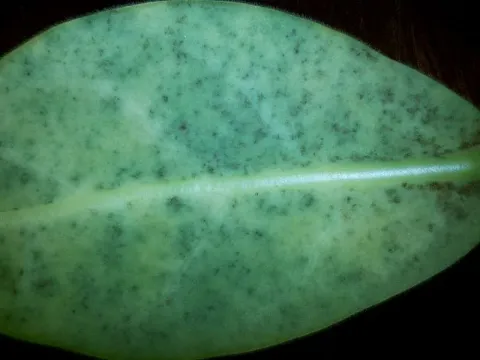
The characteristic symptoms of Calycina infection include small, discolored spots on leaves that eventually enlarge, often developing a darker, necrotic margin as the disease progresses.
Stems may exhibit elongated lesions or cankers that weaken the structural integrity of the plant, potentially leading to wilting or breakage during strong winds.
In humid conditions, a fine, fuzzy layer of fungal growth may appear on the necrotic areas, representing the formation of fruiting bodies or spores.
Premature leaf drop and stunted growth are common signs as the plant struggles to transport water and nutrients through damaged vascular tissues.
- Localized chlorotic or necrotic leaf spots.
- Canker formation on branches or stems.
- Deformation of flowers or developing fruits.
- Overall wilting and loss of plant vigor.
Calycina diseases thrive in environments characterized by prolonged moisture, such as frequent rainfall, high humidity, or heavy morning dew, which keeps the foliage wet for extended periods.
Poor aeration within a crop canopy, often caused by excessive planting density, creates a stagnant microclimate that is highly favorable for fungal spore germination.
Mild temperatures during the growing season serve as an ideal catalyst for the rapid lifecycle of the fungus, allowing it to produce multiple generations in a short span.
Mechanical injury to plants from pruning, harvesting, or insect feeding creates entry points for the pathogen, significantly increasing the probability of successful infection.
Lack of proper field sanitation, such as leaving infected crop residue on the ground, provides a refuge for the fungus to overwinter and reinfect the field in the spring.
The primary economic impact of Calycina infection is the reduction in yield volume, as heavily affected plants are often unable to complete their reproductive cycle effectively.
Crop quality is severely compromised, with affected fruits and vegetables showing physical defects and premature decay, making them unsuitable for market standards.
In woody plants, the disease can lead to chronic decline, weakening the plant's structural stability and making it more prone to secondary infections by other pests.
The loss of photosynthetic area in leaves reduces the plant's overall energy production, directly impacting the nutrient density and quality of the final harvest.
Costs related to crop loss, decreased market value, and the necessity of applying control measures significantly reduce the profitability of agricultural operations.
Effective management begins with strict crop rotation, which breaks the pathogen's lifecycle and prevents the build-up of inoculum in the soil over time.
Cultural practices, such as removing and destroying infected plant parts and burying crop residue, are essential to minimize the infection pressure within the field.
Application of fungicides, particularly those with systemic action, provides a protective barrier and is recommended when environmental conditions are conducive to disease outbreaks.
Optimizing plant spacing to ensure proper airflow and light penetration helps lower humidity levels, creating an environment that is less hospitable to fungal growth.
Monitoring for insect pests and managing them appropriately prevents unnecessary plant damage, thereby closing off potential entry points for the fungus to invade host tissues.