
Butyriboletus
Butyriboletus
The genus Butyriboletus comprises a group of fungi within the Boletaceae family. It is vital to clarify that these organisms are not plant pathogens, but rather beneficial mycorrhizal partners.
What the section contains
Butyriboletus
These fungi form an essential symbiotic relationship with the roots of forest trees. Through this association, they provide the host plant with nutrients and water, while receiving carbohydrates in exchange.
Because they support tree health, they are considered vital components of forest biodiversity rather than threats. Their presence is a sign of a stable and flourishing root ecosystem.
The taxonomic reclassification of this genus from the broader Boletus group has provided mycologists with better insights into their specific ecological niches.
From an agricultural and forestry perspective, they are strictly beneficial. There are no known protective measures required against them as they do not attack or damage plants.
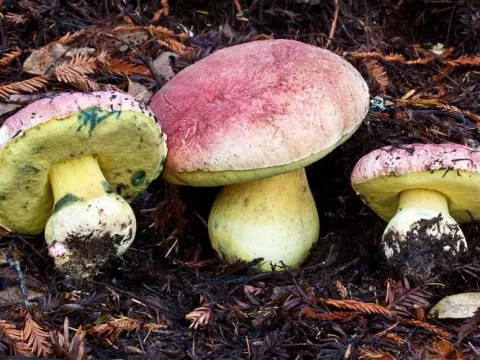
The fruiting bodies typically feature a fleshy, convex cap. Many species have light-colored, cream, or yellowish surfaces, often with a velvety texture that is very distinctive.
The pore surface underneath the cap is usually yellow, which may turn a greenish or olive hue as the mushroom matures. This is a primary identifying feature for the genus.
The stem is generally thick and solid. In many species, it features a distinct reticulation or a fine network pattern on the surface, which is a common characteristic of the Boletaceae family.
A key diagnostic feature is the reaction of the flesh when cut. The tissue often changes color to blue or green upon exposure to air, indicating oxidation of the compounds present.
Unlike some bitter-tasting boletus relatives, members of this genus generally have a mild, pleasant aroma, often described as nutty or distinctly mushroom-like.
The development of Butyriboletus depends heavily on the presence of suitable host trees, such as oaks or beeches. They require established forest soils rich in organic matter.
Optimal growth occurs during periods of moderate temperatures and consistent rainfall. High soil moisture is required for the mushrooms to produce visible fruiting bodies.
Soil pH levels are important for the long-term survival of the mycelium. They tend to thrive in neutral or slightly acidic environments typical of mature deciduous forests.
Environmental stability is necessary for their development. Factors such as soil compaction or heavy chemical runoff can disrupt the delicate mycorrhizal network they build with tree roots.
Because these fungi are indicators of ecological health, they only thrive where the soil remains undisturbed and free from synthetic industrial pollutants or heavy pesticides.