
Burnt Knight
Tricholoma ustale
Description
Symptoms
Early symptoms of infection include a noticeable loss of vitality, characterized by wilting leaves or chlorosis in the upper canopy of the tree.
Underground inspection typically reveals blackened, necrotic patches on the root system, where the tissue has lost its structural integrity.
A reduced annual growth rate and premature leaf drop are common indicators that the tree's root system is compromised by fungal activity.
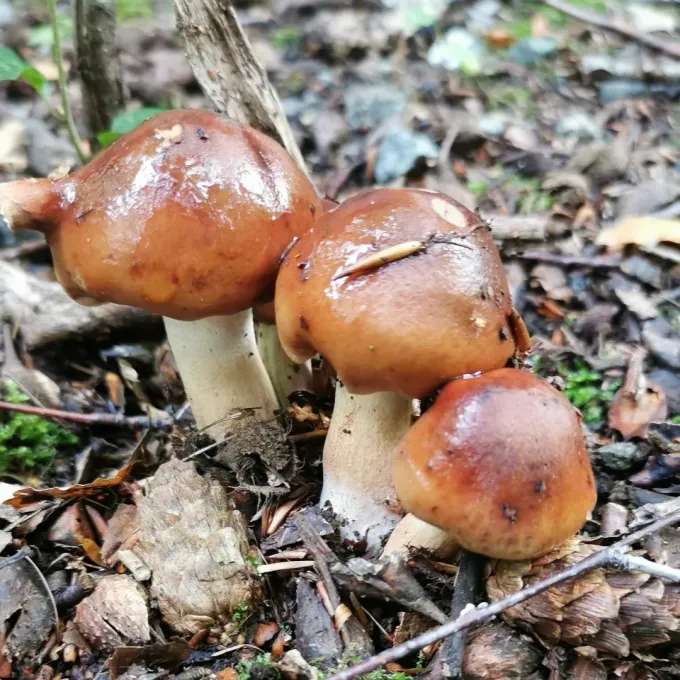
During the fruiting season, one might observe distinctive reddish-brown mushrooms near the base of the infected host trees.
In advanced cases, the entire tree may show signs of dieback starting from the crown, eventually leading to death if environmental conditions remain favorable for the fungus.
Pathogen
Tricholoma ustale, commonly known as the Burnt Knight, is a basidiomycete fungus that typically forms ectomycorrhizal associations with deciduous and coniferous trees.
While often symbiotic, under specific environmental stresses, the mycelium can transition to a parasitic behavior, affecting the root health of its host.
The fungus infiltrates the peripheral root tissues, disrupting the transport of water and essential nutrients from the soil to the tree.
It is widely distributed throughout the temperate forests of the Northern Hemisphere, showing high resilience to environmental fluctuations.
The biological life cycle of this fungus involves persistent mycelial networks in the soil, which serve as the primary source of infection for young trees.
Conditions for development
High soil moisture levels and poor drainage are the primary factors that facilitate the rapid colonization of roots by Tricholoma ustale.
Temperatures ranging between 15°C and 20°C promote optimal vegetative growth of the fungal mycelium in the root zone.
The accumulation of organic debris in the soil provides an ample food source, supporting the survival and spread of the pathogen.
Acidic soil conditions are known to favor the physiological processes of the fungus, making trees in such environments more susceptible to attack.
High planting density reduces air circulation in the upper soil layers, which inadvertently creates a microclimate that benefits fungal expansion.
Why it matters
The primary economic impact involves the stunting of tree growth and increased mortality rates in forest nurseries and young plantations.
Infected trees become significantly more vulnerable to secondary pests and various soil-borne diseases that can hasten their decline.
The destruction of the symbiotic mycorrhizal connection deprives the tree of critical nutrient uptake, hindering its overall resilience to stress.
Forest stands affected by this fungus experience a long-term decline in productivity, necessitating costly replanting or site remediation measures.
Once established in the soil, the pathogen can persist for several years, severely restricting the selection of tree species for future reforestation efforts.
Protection
Site selection is crucial: avoiding areas prone to waterlogging significantly reduces the risk of root infection by Tricholoma ustale.
Soil amendment practices, such as liming, can alter the soil pH to a level that is inhibitory to the growth of the fungal pathogen.
Sanitation measures, including the removal and destruction of infected root balls, are essential to contain the spread of the disease.
The application of approved soil-applied fungicides can be effective in nurseries where early detection of the pathogen has been confirmed.
Implementing proper spacing and promoting healthy soil microflora are fundamental strategies to enhance the natural defense mechanisms of young trees.
Discussion
No discussions yet — be the first.