
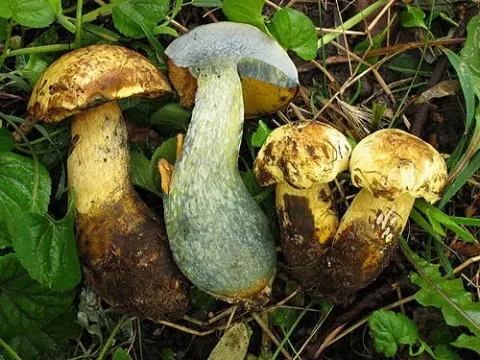
Yellow bolete
Boletus pseudosulphureus
Yellow bolete, scientifically known as Boletus pseudosulphureus (syn. Hemileccinum impolitum), is a fungal species belonging to the Boletaceae family. In agronomic and forestry contexts, it is monitored for its potential to impact tree root systems negatively.
What the section contains
Yellow bolete
The pathogen is a basidiomycete that maintains complex relationships with tree roots. While often mycorrhizal, under stressful environmental conditions, it can behave as a parasite, aggressively occupying the rhizosphere and depriving the host of essential nutrients.
The fungus develops an extensive mycelial network in the soil and leaf litter. This network penetrates the delicate root hairs, effectively replacing beneficial symbiotic fungi and inhibiting the tree's ability to absorb water and minerals.
This type of disease is classified as mycorrhizal impairment. The pathogen diverts photosynthetic products from the tree to fuel its own reproductive cycle, causing gradual weakening of the host plant.
Spread is primarily achieved through basidiospores, which are easily disseminated by wind and water, allowing the fungus to colonize new areas and infect adjacent susceptible trees rapidly.
The primary symptom of infestation is a noticeable decline in vegetative growth. Affected trees exhibit significantly reduced annual shoot elongation and stunted development compared to healthy specimens.
Foliage chlorosis is a common indicator. The leaves or needles lose their deep green pigmentation, indicating that the tree is suffering from chronic nutrient deficiency caused by root interference.
Root system inspection often reveals a visible presence of yellowish mycelial mats. These mats encase the feeder roots, preventing the intake of vital elements and water.
Crown dieback is a critical sign of advanced infection. The tips of the branches begin to dry out, leading to sparse foliage in the upper canopy as the tree struggles to maintain its structure.
The emergence of fruiting bodies around the base of the tree is a late-stage symptom. Their presence confirms that the mycelium is well-established in the soil and is actively depleting the host's energy reserves.
Yellow bolete thrives in environments characterized by high soil moisture levels. Periods of prolonged rainfall and high humidity are conducive to rapid mycelial expansion and sporulation.
The fungus shows a preference for compacted or poorly drained soils where oxygen levels are low. In such environments, the natural soil microflora is often weakened, making it easier for the bolete to dominate.
Temperature plays a significant role in development. Growth is optimized in temperate ranges, typically between 18 and 24 degrees Celsius, which often coincides with the growing season of forest trees.
Overcrowded plantations or dense forest stands inhibit airflow at the soil surface, maintaining high humidity and creating a perfect microclimate for the pathogen to flourish.
Soil chemistry also influences the spread; imbalanced nutrient levels, particularly excessive nitrogen or phosphorus, may disrupt the natural mycorrhizal balance, favoring the yellow bolete.
The harm caused by this fungus is primarily seen in the reduced vitality of forest and ornamental trees. Stunted growth results in significant losses of timber biomass over time.
Weakened trees become susceptible to secondary opportunistic pathogens and insect pests, which are attracted to the compromised health status of the host plant.
In forest nurseries, the presence of this fungus can lead to mass losses, as infected saplings often fail to survive transplanting due to their underdeveloped root systems.
The ecological stability of affected areas is compromised, as the fungus disrupts the normal nutrient cycling processes required for sustainable forest health.
Aesthetic damage is a major concern in urban landscaping and parks, often forcing managers to perform premature tree removal to ensure public safety from falling branches.
Effective control focuses on improving soil health through proper drainage and aeration. Managing water runoff prevents the damp conditions required for fungal growth.
Sanitation is a vital prevention strategy. Removing fruiting bodies as soon as they appear helps to limit the amount of spores released into the environment, thereby slowing the spread.
Promoting tree vigor through balanced fertilization and care is essential. Healthy trees have robust natural defenses that can effectively limit the encroachment of the mycelium.
When soil infestation is severe, site-specific soil treatments using specialized fungicides may be required to eradicate the fungus before replanting sensitive species.
- Regular soil testing to optimize nutrient levels.
- Thinning of dense stands to increase air circulation.
- Application of beneficial soil microbes to restore microbial balance.