
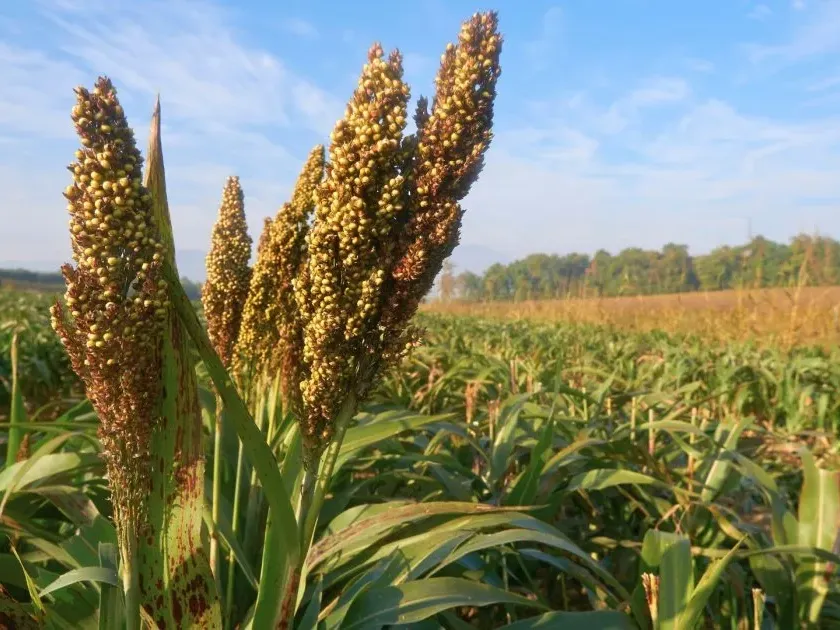
Description
Symptoms
The disease first appears as small chlorotic spots on the lower leaves of the sorghum plant. These lesions are initially circular or oval and later expand, developing a distinct yellow color characteristic of the infection.
As the pathogen progresses, the center of the spot may turn necrotic, often light brown or tan in color. A pale halo usually surrounds these lesions, indicating the localized spread of fungal toxins into healthy tissues.
Under conditions of high humidity, tiny black dots known as pycnidia form within the lesions. These are the fruiting bodies of the fungus that release spores, marking the active stage of the disease cycle.
As symptoms advance, individual spots merge to cover larger portions of the leaf surface. This massive tissue destruction causes the leaves to curl, dry out, and fall off prematurely, severely hindering the plant's growth.
The infection systematically moves upwards from the lower canopy, and in severe cases, the entire plant may show signs of yellowing and overall decline before reaching physiological maturity.
Pathogen
The primary pathogen responsible for yellow leaf spot of sorghum is the fungus Phyllosticta sorghiphila. It is a specialized parasite that primarily targets the Sorghum genus.
The fungus overwinters in plant debris and soil as mycelium or dormant pycnidia. When temperatures rise in the spring, it begins producing spores to initiate primary infections on emerging seedlings.
Dissemination of the pathogen occurs through water splashes from rain or irrigation, as well as wind currents that carry the pycnospores to new, healthy leaf tissue.
The pathogen is highly efficient at establishing itself in host tissue, where it colonizes intercellular spaces and drains nutrients from the plant to fuel its own reproduction cycle.
It can complete multiple infection cycles within a single growing season if the environmental conditions remain favorable, potentially leading to widespread damage across a field.
Conditions for development
High relative humidity and frequent rainfall are the most critical environmental factors that promote the spread and severity of the yellow leaf spot disease.
The fungus thrives within a temperature range of 20°C to 28°C. During these conditions, the incubation period is shortened, allowing the fungus to spread rapidly across the crop.
Dense planting configurations limit airflow within the crop canopy, leading to prolonged leaf wetness that is essential for spore germination and infection establishment.
Continuous cropping of sorghum on the same land allows for the accumulation of fungal inoculum in the soil, significantly increasing the probability of severe early-season infection.
Stressed plants, whether due to nutrient deficiency or waterlogging, are more susceptible to the fungal invasion compared to healthy, well-nourished sorghum crops.
Why it matters
The main impact of the disease is the reduction of the functional photosynthetic leaf area, which limits the plant's ability to produce the sugars necessary for grain development.
Premature leaf senescence disrupts the grain-filling process, resulting in decreased grain weight and overall yield losses in terms of both biomass and quality.
In cases of severe infestation, the plant’s structural integrity may be compromised, increasing the risk of lodging, which complicates harvesting and increases potential post-harvest losses.
The quality of the grain might be negatively affected, showing smaller size and reduced protein or starch content, which impacts its marketability and usage in animal feed or food processing.
Yield losses can be significant, sometimes reaching 20-30% in susceptible varieties, making effective disease management a core requirement for profitable sorghum production.
Protection
Implementing a diverse crop rotation is a primary defense strategy, as it effectively reduces the amount of viable inoculum present in the field from previous seasons.
Proper field sanitation, including the deep plowing of crop residues, helps bury infected plant material, thus delaying the onset of infection for the following season.
Selecting resistant or tolerant sorghum hybrids is the most sustainable and cost-effective approach to minimize disease impact and maintain consistent yields.
Optimizing plant population density and ensuring balanced soil fertility helps maintain plant vigor, allowing the crop to better withstand environmental and biological stress.
In high-risk areas, the strategic use of broad-spectrum fungicides may be necessary to control early infection outbreaks and protect the crop during its most vulnerable growth stages.
Pathogens and affected parts
Affects crops · 1
Discussion
No discussions yet — be the first.