
Boletus immutatus
Boletus immutatus
Boletus immutatus is a fungal species belonging to the Boletaceae family. Its primary diagnostic feature is that the flesh does not change color when cut or bruised, which distinguishes it from many other bolete species that turn blue upon oxidation.
What the section contains
Boletus immutatus
The cap of this fungus is typically convex, becoming flatter as the fruiting body matures. The surface is often smooth or slightly velvety, with colors ranging from light tan to deep chestnut brown.
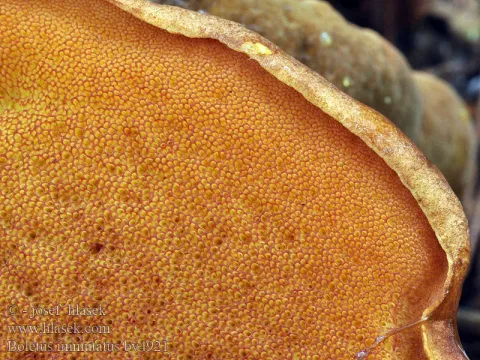
The hymenium consists of tubes which are whitish or yellowish when young, later transitioning to olive or brownish tones as the spores mature. The tubes are firmly attached to the stipe.
The stem is robust and often thickened at the base. It features a distinct reticulated pattern, which is a common characteristic of various species within the Boletus genus.
The flesh is firm with a pleasant aroma and mild taste. The stability of its color after exposure to air is the definitive trait used for field identification.
Boletus immutatus is not a plant pathogen and does not cause diseases in crops or trees. It is an obligate mycorrhizal fungus that lives in a mutualistic symbiosis with host plants.
The fungus provides the host tree with essential minerals and water, while the tree provides the fungus with carbohydrates produced through photosynthesis.
Labeling this species as a plant disease agent is scientifically incorrect. It serves a constructive ecological role by enhancing the nutrient uptake efficiency of forest trees.
The survival of the fungus is intrinsically linked to the health of its host tree. Any significant decline in the host tree's health often results in a decrease in the frequency of mushroom formation.
In agricultural and forestry contexts, this species is considered a beneficial organism that supports ecosystem stability rather than a threat to plant health.
This species is commonly associated with deciduous trees such as oak and beech. It requires stable soil conditions with a balanced moisture level to sustain its underground mycelial network.
The fruiting season typically occurs during late summer and autumn when temperature and precipitation levels reach optimal thresholds for fungal growth.
It prefers acidic to neutral soils with a thick layer of organic matter. A well-drained substrate is essential to prevent the decay of the developing fruiting bodies.
Excessive use of nitrogen-based fertilizers or the presence of soil pollutants can inhibit the formation of fruiting bodies and negatively affect the mycorrhizal relationship.
The species thrives in mature, undisturbed forest environments where the natural leaf litter layer remains intact, providing necessary protection and nutrients for the mycelium.