
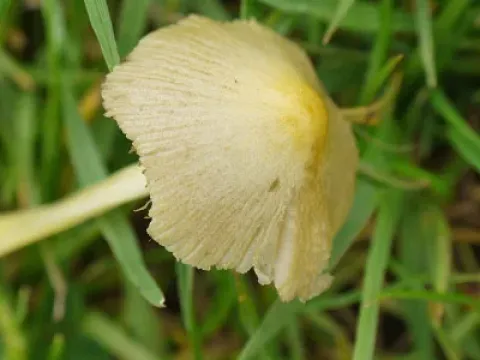
Bolbitius lacteus
Bolbitius lacteus
Bolbitius lacteus is a species of fungus belonging to the Bolbitiaceae family. It is essential to clarify that it is not a plant pathogen; it does not cause diseases in crops.
What the section contains
Bolbitius lacteus
This fungus is classified as a saprotroph. It obtains its nutrients by breaking down dead organic matter, such as plant debris, leaf litter, and decomposing humus in the soil.
Because it lacks the biological mechanisms to infect living plant tissues, it does not pose a threat to the health of agricultural plants or horticultural crops.
The mycelium of Bolbitius lacteus functions as a decomposer, playing a beneficial role in nutrient cycling and soil structure improvement within the natural ecosystem.
In mycological terms, this species is commonly found in areas rich in nitrogenous organic compounds, where it contributes to the mineralization process.
The appearance of Bolbitius lacteus fruiting bodies is strictly dependent on environmental moisture levels, usually triggered by significant rainfall or high humidity.
This fungus thrives in soils enriched with fresh manure, compost, or excessive mulch. These conditions provide the high levels of organic matter it requires to flourish.
Optimal temperatures for the development of its fruiting bodies range from 18 to 25 degrees Celsius, making it a frequent visitor during the warmer months.
Neutral to slightly alkaline soil pH levels are often preferred by this species, which explains its prevalence in well-maintained gardens and amended greenhouse soils.
In greenhouses, inadequate ventilation combined with consistent soil surface moisture creates the perfect microclimate for this fungus to appear.
Bolbitius lacteus causes no direct damage to crops. It is not associated with rots, blights, wilts, or any physiological disorders in living plants.
While the presence of the fungus might concern growers, it is technically an indicator of high organic matter content rather than a sign of a disease outbreak.
However, excessive organic matter can sometimes host other, truly harmful pathogens; thus, the presence of these mushrooms might prompt an inspection of the soil.
There is no competitive pressure between this fungus and plants. They coexist within the soil environment without any negative impact on crop yield or growth.
In summary, the fungus is purely a decomposer and does not possess the enzymes or toxic byproducts required to impair plant development.
Since this fungus is not a plant disease, the use of fungicides is completely unnecessary. Chemical treatments are not effective or required for this species.
The best control strategy is to focus on proper soil management and cultural practices that reduce the buildup of overly fresh organic debris.
Ensuring that compost is thoroughly decomposed before application will eliminate the primary food source that allows Bolbitius lacteus to thrive.
Improving soil aeration and managing moisture levels through better irrigation practices can significantly reduce the frequency of mushroom formation.
- Apply only fully matured and decomposed compost.
- Maintain good air circulation in greenhouse environments.
- Avoid over-mulching with raw, fresh straw or manures.
- Ensure adequate drainage to prevent excessive surface water stagnation.