
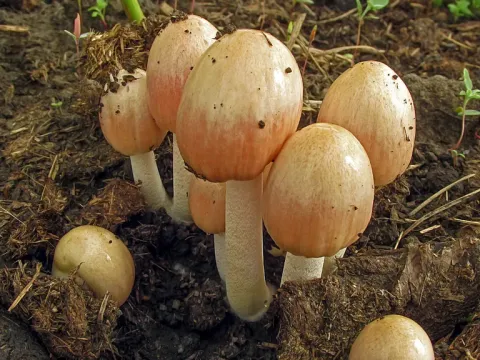
Bolbitius coprophilus
Bolbitius coprophilus
Bolbitius coprophilus is a mushroom species within the Bolbitiaceae family. It is vital to classify it correctly: this fungus is a saprotroph, not a plant pathogen, and it does not infect living tissues of agricultural crops.
What the section contains
Bolbitius coprophilus
Its primary role in nature is the decomposition of organic matter. It specifically thrives in nitrogen-rich substrates, such as animal manure or compost, acting as a natural recycler of nutrients.
The mycelium of this fungus spreads through the soil, breaking down complex organic molecules. This process mineralizes nutrients, making them more available for plants over the long term.
Because it lacks the ability to parasitize living plants, it does not cause diseases like rot, wilt, or necrosis. The fungus simply utilizes the carbon and nitrogen present in the soil organic matter.
In terms of biology, Bolbitius coprophilus is an indicator species. Its presence confirms a high concentration of decaying organic material in the growing medium.
The development of Bolbitius coprophilus is strictly dependent on high humidity. The appearance of its fruiting bodies is most common following prolonged rainfall or excessive irrigation of soil enriched with manure.
Temperature plays a secondary role, as the fungus prefers warm and temperate conditions. During cold or very dry periods, the growth of the mycelium is significantly reduced or inhibited.
Poor soil aeration is another contributing factor. Compacted or waterlogged soil creates an anaerobic environment that favors the survival and development of such fungi.
Greenhouse environments often provide perfect conditions if fresh manure is used as an amendment without proper composting. The stable temperature and humidity inside structures promote rapid outbreaks.
Spores are dispersed by wind, water, or mechanical transport. They are ubiquitous in agricultural environments, lying dormant until moisture and organic food sources become available.
Bolbitius coprophilus poses no real harm to plant health. It is essentially harmless to crops and does not impede their development or reduce potential yields in any direct capacity.
While some growers express concern over its presence, it does not produce toxins that inhibit plant growth. It exists entirely as an external decomposer in the rhizosphere.
The perceived damage is often purely psychological. Growers seeing mushrooms on their plots may mistakenly fear a dangerous disease outbreak and waste money on unnecessary chemical control.
In rare instances, mass growth of the mycelium might temporarily alter the local soil structure or moisture retention, but these changes are negligible for the overall health of the agricultural crop.
However, an abundance of this fungus serves as a diagnostic tool. It warns the agronomist that the soil amendment might not have been fully composted, which could eventually host other, more harmful micro-organisms.
Chemical control against Bolbitius coprophilus is unnecessary. Since it is not a pathogen, fungicides provide no benefit and may harm beneficial soil microflora that is actually useful for plant growth.
The most effective strategy is the proper preparation of organic fertilizers. Using fully composted manure significantly reduces the food source available for this fungus, preventing its population from exploding.
Improved soil drainage and surface tillage are highly recommended. Breaking up the soil surface allows for faster evaporation, drying out the substrate and making it inhospitable for fruiting body development.
Manual removal of fruiting bodies helps prevent local spore spread but does not kill the underlying mycelium. This is only an aesthetic or minor preventive measure.
Adjusting irrigation regimes to avoid water stagnation is the best way to maintain a soil environment that is healthy for crops and less suitable for coprophilous fungi.