
Boletaceae
Boletaceae
Description
Symptoms
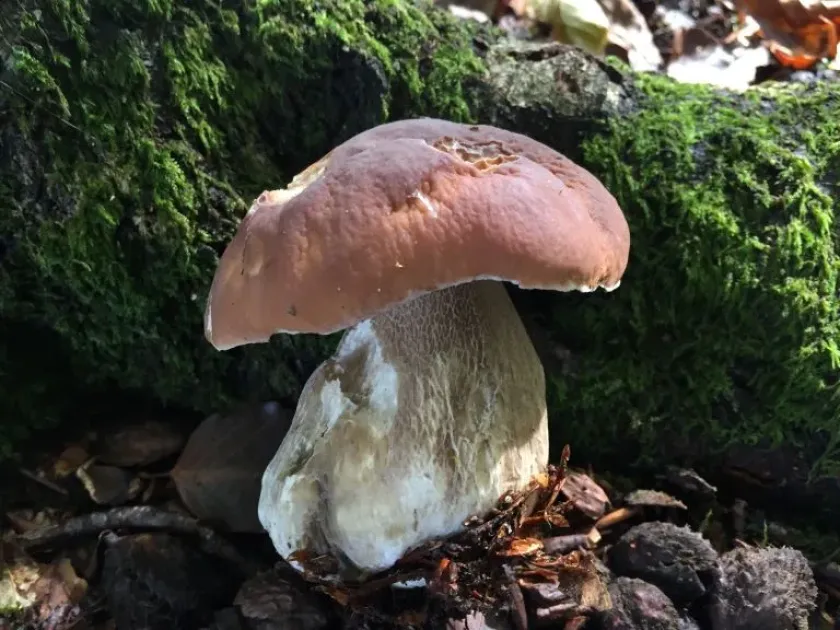
The most recognizable sign of Boletaceae presence is the appearance of fleshy fruit bodies with a distinct spongy or tubular layer under the cap.
These fruiting bodies often have firm stems and can display color changes in the flesh when bruised or cut, which is a key identification feature for many species.
Under the soil surface, the fungal mycelium forms an extensive network that envelops tree rootlets, creating a sheath that enhances nutrient uptake.
The presence of these fungi often correlates with fertile, well-structured soil that is rich in organic matter and leaf litter.
During the growing season, especially after rainfall, the fruit bodies emerge as a clear indication of a healthy, active mycorrhizal colony in the area.
Pathogen
The Boletaceae family consists of Basidiomycota fungi that are primarily known for their symbiotic relationship with forest trees. It is essential to clarify that they are not plant pathogens.
They act as ectomycorrhizal fungi, meaning they form a mutually beneficial connection with the root systems of various tree species, such as pine, oak, and birch.
This symbiotic bond involves the exchange of nutrients: the fungi provide the host tree with minerals and water, while the tree supplies the fungi with carbohydrates.
Because of this interaction, they play a vital role in supporting the growth and health of forest trees rather than causing diseases or decay.
In agronomic and ecological terms, they are categorized as beneficial organisms that contribute to soil health and ecological stability.
Conditions for development
Boletaceae thrive under specific environmental conditions, primarily requiring the presence of suitable host trees and consistent moisture levels.
They are sensitive to soil quality and generally prefer environments with stable pH levels and abundant organic leaf litter.
Moderate temperatures, typically ranging from 15°C to 25°C, are optimal for the rapid growth of fruit bodies and the expansion of the underground mycelium.
The symbiotic success depends on the tree's health; a healthy tree environment provides the necessary resources to sustain the fungal colony throughout the seasons.
Excessive soil compaction or the application of synthetic chemicals can disrupt the delicate mycorrhizal network, hindering their development.
Why it matters
Boletaceae mushrooms pose no threat to agricultural crops and are not considered pests or disease-causing agents in any professional farming context.
There are no documented instances of these fungi causing harm to crop health, yield, or productivity of agricultural plants.
Instead, they are highly valued for their ecological contributions and, in many regions, as a commercially and recreationally significant food resource.
Their interaction with plants is purely positive, promoting natural resilience against environmental stressors and potential pathogens.
Therefore, there is no economic or biological harm associated with the presence of this fungal family in the field or forest.
Protection
Since Boletaceae are not harmful, there is absolutely no need for control measures, chemical treatments, or biological eradication efforts.
The best approach to managing these fungi is to protect the environment that supports them, ensuring the continued health of the local ecosystem.
If land management is required, avoid using broad-spectrum fungicides that could inadvertently destroy these beneficial mycorrhizal populations.
Maintaining natural soil structure and avoiding unnecessary tilling near tree roots helps preserve the integrity of the fungal network.
In summary, the presence of these fungi is a positive indicator of ecological health, requiring no human intervention or control practices.
Discussion
No discussions yet — be the first.