
Bolete mushrooms
Boletales
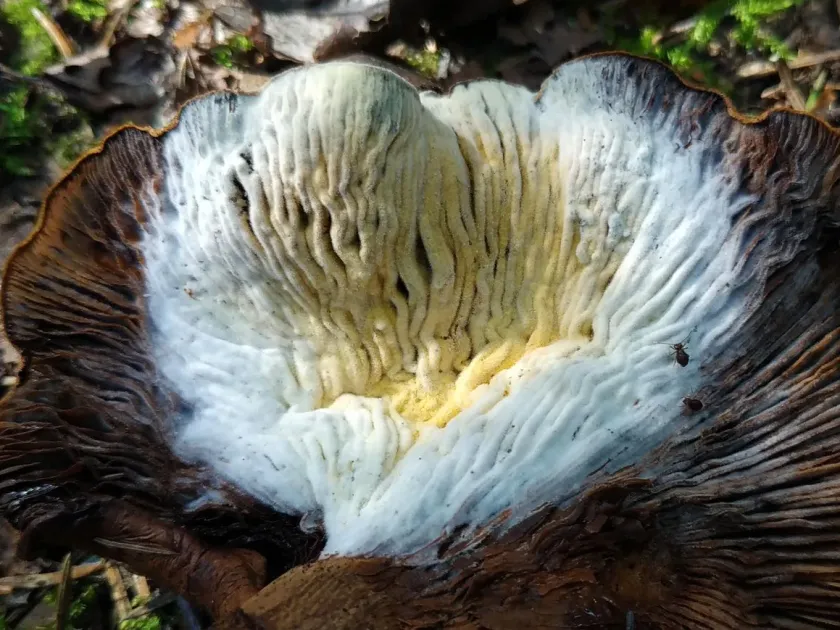
Description
Symptoms
The most common sign of their presence is the development of fleshy, tube-bearing fruit bodies in the vicinity of host trees during the growing season.
Microscopic or root-level signs include the formation of a mantle or a Hartig net around the roots, which modifies root structure to enhance nutrient exchange.
The fruit bodies are usually characterized by a spongy or tubular underside of the cap, which serves to disperse spores after maturation.
Visible clusters of mycelium in the forest litter indicate a healthy soil environment where these fungi contribute to organic matter decomposition and nutrient cycling.
No symptoms such as necrosis, chlorosis, or vascular wilt are associated with the presence of Boletales, confirming their non-pathogenic nature.
Pathogen
Bolete mushrooms (order Boletales) are frequently misunderstood by non-specialists as plant pathogens or agents of disease. In fact, these fungi are predominantly beneficial mycorrhizal symbionts associated with forest trees.
They do not cause diseases; instead, they establish a mutualistic relationship known as ectomycorrhiza, which is essential for the healthy growth of trees such as pines, oaks, and beeches.
The mycelium of these fungi grows around the plant roots, increasing the surface area for the absorption of water and mineral nutrients from the soil.
In exchange, the trees provide the fungus with carbohydrates produced through photosynthesis, creating a balanced and mutually advantageous environment for both organisms.
Taxonomically, they are not classified as parasites. Therefore, attributing plant diseases or crop failure to the presence of Boletes is scientifically incorrect and contrary to ecological reality.
Conditions for development
Boletales thrive in environments with moderate moisture and temperatures, typically associated with temperate deciduous and coniferous forests.
The presence of a compatible tree host is a primary requirement for the establishment of the mycorrhizal network, which begins in the early stages of tree growth.
Adequate soil aeration and the presence of organic debris are critical factors that promote the development of their extensive underground mycelial networks.
These fungi are sensitive to severe environmental disturbances and soil chemical imbalances, which can inhibit the formation of their fruit bodies.
Optimal conditions often coincide with the active growing season of the host tree, ensuring a continuous supply of carbon to the fungal partner.
Why it matters
There is no harm caused by Bolete mushrooms to agriculture or forestry; on the contrary, they provide significant ecological benefits by supporting tree health.
They do not produce toxins or enzymes that degrade living plant tissues, distinguishing them clearly from pathogenic fungi like root rot or wilt pathogens.
Their presence should not be viewed as a threat to plant cultivation, and they do not necessitate any control or eradication efforts.
Misidentifying beneficial mycorrhizal fungi as threats can lead to unnecessary and harmful interventions, such as the use of chemicals in healthy forest ecosystems.
Therefore, they hold a positive role in biodiversity and are essential components of sustainable forest health and landscape management.
Protection
No control measures are needed for Bolete mushrooms because they are beneficial ecological components rather than pests or plant diseases.
Management strategies should focus on maintaining natural soil health and avoiding excessive soil compaction or chemical contamination in forest areas.
If plant diseases are suspected, field diagnostics should prioritize identifying true pathogens such as Armillaria or other decay-causing fungi, not the beneficial Boletales.
Sustainable agricultural practices prioritize the preservation of mycorrhizal networks to enhance plant vigor and resistance against abiotic stressors.
Promoting a balanced ecosystem approach helps protect and maintain the valuable symbiotic relationships between trees and their associated fungal partners.
Discussion
No discussions yet — be the first.