
Bionectriaceae
Bionectriaceae
The Bionectriaceae family belongs to the order Hypocreales, comprising a diverse group of fungi that function as both saprotrophs and plant pathogens. These fungi are globally distributed and are known for their ability to persist in various environmental conditions.
What the section contains
Bionectriaceae
The most representative genus is Clonostachys, particularly Clonostachys rosea, which is widely studied due to its dual role as a plant pathogen and a biological control agent against other fungi. They produce both sexual ascospores and asexual conidia to ensure survival.
These pathogens rely on moisture for germination and growth. They can colonize plant tissues through wounds, natural openings, or even through direct penetration of the cuticle using enzymatic mechanisms that break down structural plant components.
The life cycle often involves the formation of perithecia on necrotic plant debris, which allows the fungus to overwinter or survive periods of drought in the soil or on dormant plant stems, acting as a constant source of primary inoculum.
Their rapid multiplication rate allows them to dominate the mycobiome of infected areas, especially when the host plant is stressed or weakened by environmental conditions or nutrient imbalances.
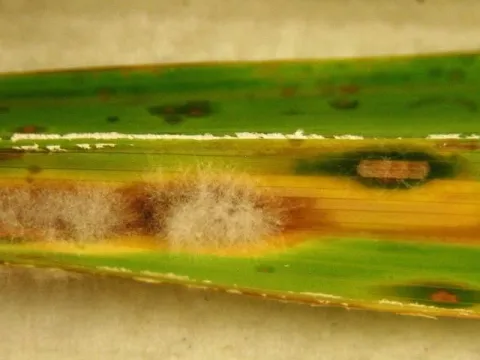
Symptoms of Bionectriaceae infection typically manifest as necrotic spots or lesions that quickly turn into soft rots. The affected areas often develop a powdery or cottony mycelial growth, ranging in color from white to pinkish or tan.
On seedlings, the disease frequently presents as "damping-off," where the stem at the soil level turns brown and shriveled, leading to the collapse of the entire plant. This is particularly destructive in nursery environments.
Fruit and foliage symptoms include rapid browning, tissue softening, and the development of sporulating structures on the surface. In humid conditions, these lesions can expand rapidly, consuming the entire fruit within a few days.
When the root system is affected, the plant exhibits symptoms of wilting, chlorosis, and stunted growth. Despite adequate watering, the plant remains unable to recover, as the decayed roots cannot supply essential nutrients and water.
Microscopic analysis of the infected areas reveals extensive hyphal infiltration in the xylem and phloem, which physically blocks the transport of water and nutrients, resulting in the premature death of the plant parts beyond the infection site.
The development of Bionectriaceae infections is heavily dependent on high relative humidity and moderate temperatures, typically ranging from 20°C to 25°C. These conditions trigger spore germination and aggressive colonization.
Poor ventilation in greenhouse systems acts as a major catalyst for disease spread. High plant density and inadequate spacing create stagnant air zones where fungal spores can easily settle and infect healthy tissues.
Waterlogging in the soil or over-irrigation promotes root infection by these fungi. Excessive moisture limits oxygen availability for the plant roots, weakening them and making them prime targets for fungal colonization.
Mechanical injuries resulting from pruning, harvesting, or insect damage serve as primary entry points for the pathogen. Once inside, the fungus can proliferate rapidly by utilizing the plant's sap and stored nutrients.
Low light levels and nitrogen-heavy fertilization promote soft, succulent growth, which is significantly more susceptible to enzymatic degradation by Bionectriaceae compared to stronger, well-hardened tissues.
The economic impact of these fungi is significant, as they can cause heavy post-harvest losses by infecting fruits and vegetables during transit and storage. This significantly reduces shelf life and marketability.
Direct field damage can range from minor yield reductions to total crop failure in cases of high infection pressure, especially during wet growing seasons where the pathogen spreads unchecked.
By damaging the vascular system and root structure, the fungus impairs the overall metabolic efficiency of the plant, leading to lower fruit quality, reduced sugar content, and overall poor plant vigor.
The secretion of fungal toxins can induce systemic distress in plants, resulting in stunted growth and delayed maturity, which complicates management and harvesting schedules for farmers.
Furthermore, the cost of frequent fungicide applications, labor for monitoring, and the safe removal of infected plant materials adds a substantial burden to the operational costs of crop production.
Integrated pest management (IPM) is the most effective approach. This includes strict sanitation practices, such as removing and destroying all infected crop residues to eliminate the overwintering inoculum.
Proper crop rotation is essential, moving susceptible crops to fields that have not hosted similar fungal pathogens in previous years, which helps to deplete the population of the fungus in the soil.
Managing the greenhouse environment is crucial. Implementing proper irrigation techniques to avoid soil saturation and ensuring good air circulation can significantly decrease the incidence of fungal growth.
Seed treatment with systemic fungicides or biological agents can provide an early defensive barrier, protecting the emerging seedling during its most vulnerable stage of development.
- Using antagonistic biological agents like Trichoderma species.
- Regular disinfection of farming tools and greenhouse surfaces.
- Balanced nutrient application to improve plant cuticle thickness.
- Timely pest control to minimize wounds that act as infection sites.