
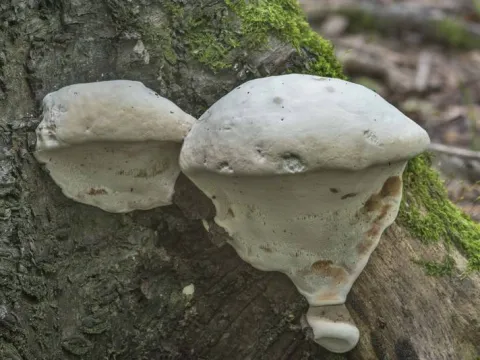
Aurantiporus
Aurantiporus
The disease is caused by fungi of the Aurantiporus genus, specifically the species Aurantiporus fissilis. This organism is a wood-decay fungus that belongs to the group of basidiomycetes known for breaking down complex wood structures.
What the section contains
Aurantiporus
While it primarily acts as a saprotroph, it frequently functions as a wound parasite, colonizing trees that have already been weakened or have sustained physical damage to their bark or trunks.
The mycelium of the fungus penetrates deep into the timber, decomposing the structural components of wood cells using specific enzymes, which compromises the integrity of the woody tissue.
The biology of the pathogen is closely associated with dead wood, as it thrives in environments with decaying debris, old stumps, and unhealthy living trees that serve as reservoirs for the fungus.
Dispersal occurs via basidiospores, which are spread by wind or water splashing, eventually settling on vulnerable sections of the bark where they germinate under suitable conditions.
The most distinctive symptom of Aurantiporus infection is the development of fleshy fruit bodies on the trunk or branches, often characterized by a vibrant orange or reddish color.
Internally, the wood undergoes a transformation known as brown rot. The affected tissue becomes brittle, turns a dark shade, and cracks easily along the grain, losing its mechanical support capabilities.
Trees affected by the fungus often show visible signs of distress, including premature yellowing of leaves, stunted growth of new shoots, and the gradual dieback of large structural branches.
In advanced stages of the decay process, the structural integrity of the tree is significantly compromised, leading to a high risk of stem failure, especially during windy weather.
Regular monitoring of tree trunks for abnormal growths, lesions, or discolored bark patches is crucial for identifying the presence of the pathogen before irreversible internal damage occurs.
The development of Aurantiporus is facilitated by open wounds on the tree, such as those caused by improper pruning, frost cracks, or sunscald, which serve as entry points for the fungal spores.
High humidity and moderate temperatures provide an ideal environment for the active growth of the fungus and the subsequent formation of its reproductive fruit bodies.
Weakened trees, resulting from poor soil conditions, drought stress, or neglect, exhibit reduced natural defenses and are far more susceptible to successful colonization by the pathogen.
The accumulation of dead wood or infected organic material within a garden provides a constant source of inoculum, ensuring the fungus remains active in the local environment.
Densely planted orchards or landscape gardens with poor air circulation can promote moisture retention on bark surfaces, creating the moist environment that spores require to germinate effectively.
The primary threat of Aurantiporus is the destruction of the tree's internal structure, which leads to a loss of both aesthetic value and physical stability, posing safety hazards.
As the fungal decay progresses, it disrupts the vascular system of the tree, resulting in chronic nutrient and water deficiency that eventually leads to the death of the entire plant.
Fruit-bearing trees infected with this pathogen experience a significant decline in yield, with fruit quality and size suffering due to the tree's severely compromised physiological state.
Because the disease often progresses internally, the infection may remain hidden for an extended period, making early detection and treatment particularly difficult.
Once the infection is widespread, the structural damage is typically irreversible, often necessitating the removal of the entire tree to prevent further spread of the fungus.
The most effective management strategy involves proactive care and maintaining the tree's health to prevent the conditions that allow the pathogen to gain a foothold.
- Practicing proper sanitary pruning to minimize the size and duration of exposed wounds on the tree.
- Removing and destroying heavily infected trees and stumps to eliminate the primary sources of fungal spores.
- Applying protective coatings or whitewash to trunks to prevent environmental injuries like sunscald and frost cracks.
- Using specialized wound dressings and fungicides on necessary pruning cuts to provide an immediate barrier against colonization.
- Ensuring proper soil nutrition and irrigation to maintain the tree's vigor and its natural resistance to fungal pathogens.