
Aulographum hederae
Aulographum hederae
Description
Symptoms
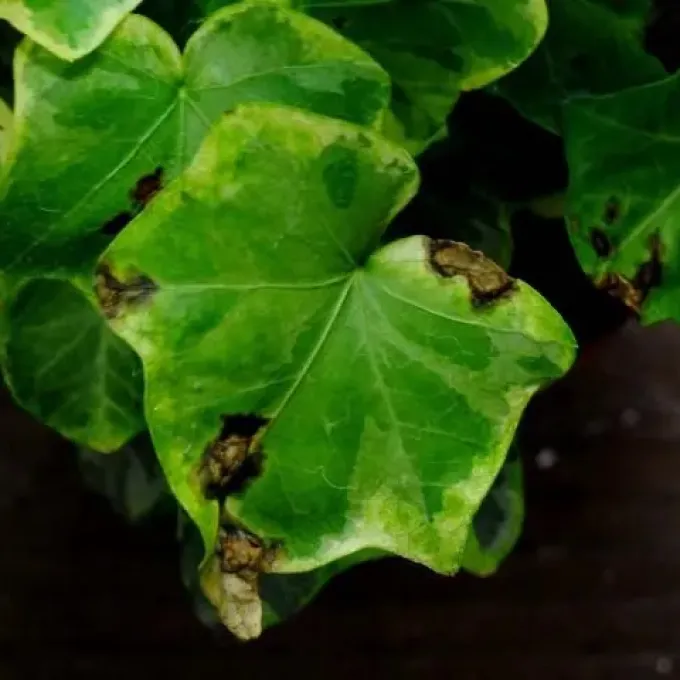
The primary symptom of Aulographum hederae infection is the appearance of characteristic dark, often black, spots on the leaves of the ivy. These spots typically vary in size and may exhibit irregular, mottled shapes.
As the disease progresses, the pathogen develops reproductive structures known as hysterothecia. These appear as tiny, elongated, dark lines or streaks on the leaf surface, which can easily be mistaken for shallow scratches.
Infected areas often develop a yellowish halo around the dark spots, indicating the localized death of plant tissues. This damage significantly diminishes the aesthetic appeal of the ivy, causing it to look withered and neglected.
The infection usually starts on older, lower leaves before spreading to more visible parts of the foliage. Close inspection of the underside of the leaves may reveal clusters of these dark fungal structures.
Severely affected leaves become brittle, lose their natural sheen, and eventually drop off prematurely. This leaf shedding results in sparse, bare stems that detract from the ivy's overall healthy appearance.
Pathogen
The causative agent of this disease is the fungus Aulographum hederae, which belongs to the class of Ascomycota. It is a specialist pathogen that primarily targets the genus Hedera, thriving in specific microclimates.
The fungus colonizes the epidermal tissues of the ivy, deriving nutrients from the plant cells. This parasitic activity leads to the degradation of leaf structure and impairs the plant's metabolic functions.
The pathogen reproduces through spores, which are disseminated by wind, rain splashes, or insects. These spores are highly effective at colonizing new host plants when conditions are suitable.
Aulographum hederae survives the dormant season as fungal structures on fallen leaves and debris. With the onset of spring warmth and moisture, the fungus becomes active and produces new generations of infectious spores.
Its ability to persist in the environment makes it a recurring problem in areas where ivy is grown consistently without proper hygiene practices. The pathogen can remain viable on plant debris for extended periods.
Conditions for development
High humidity and moisture are the most critical factors for the successful development and spread of Aulographum hederae. Stagnant air and wet foliage provide the perfect environment for spore germination.
Dense plantings or poor spacing prevent adequate airflow, causing leaves to stay wet for long periods after rainfall or irrigation. This sustained moisture is an essential prerequisite for severe infection.
The fungus thrives within a temperature range of 15°C to 22°C. Periods of mild, damp weather are particularly conducive to the rapid spread of the pathogen throughout the foliage.
Plants weakened by poor light, improper nutrition, or physical stress are significantly more vulnerable. A compromised immune system makes it easier for the fungus to establish itself within the leaf tissues.
Neglecting basic garden hygiene, such as leaving decaying leaf litter under the plants, significantly increases the risk of reinfection. These debris act as a persistent source of inoculum for the upcoming seasons.
Why it matters
The main impact of this disease is the severe loss of decorative value, which is particularly harmful to ivy used in landscaping or indoor decor. The foliage becomes discolored, unsightly, and thin.
By damaging the leaves, the fungus reduces the plant's overall photosynthetic capacity, leading to stunted growth and reduced vigor. The ivy struggles to produce enough energy to sustain its normal development.
Premature leaf drop leads to significant thinning of the canopy and bare, unsightly stems. In extreme cases, the stress can lead to the decline of entire branches or the death of the specimen.
Weakened plants are more susceptible to secondary attacks by other pests or pathogens, further worsening the ivy's condition. This leads to a cycle of decline that is difficult to stop without intervention.
In nurseries or greenhouses, an outbreak of Aulographum hederae can lead to substantial financial losses due to damaged merchandise. The costs of labor and fungicides required to manage the infection add to these losses.
Protection
Proper hygiene is the foundation of control. Regularly collect and destroy all fallen leaves and remove any severely infected parts of the plant to eliminate the source of the fungal spores.
Avoid overhead watering, especially during the evening hours, to keep the foliage as dry as possible. Using drip irrigation or watering at the base helps prevent the conditions necessary for infection.
Ensure adequate plant spacing to allow for good air circulation, which helps foliage dry out quickly after rain. Pruning can also help open up the plant canopy for better airflow.
If the infection is widespread, apply fungicides labeled for leaf spot diseases. Copper-based sprays or systemic fungicides are often effective when applied according to the manufacturer's directions.
Monitor the health of the plants regularly and address any nutritional or environmental needs promptly. A strong, well-nourished ivy plant is naturally more resistant to fungal pathogens than one under stress.
Discussion
No discussions yet — be the first.