
Aurantiporus alborubescens
Aurantiporus alborubescens
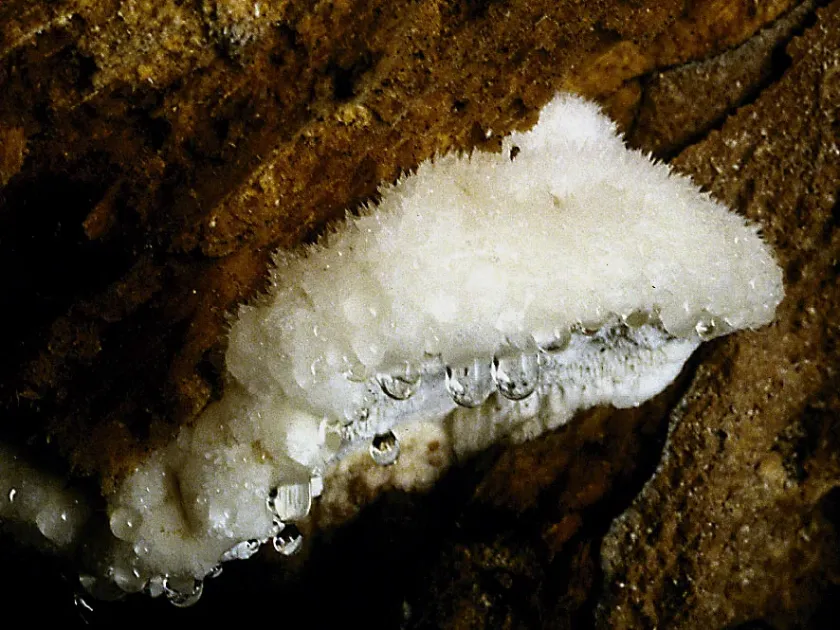
Description
Symptoms
The most visible symptom of an Aurantiporus alborubescens infection is the appearance of semi-circular or shelf-like fruiting bodies on the trunk. These structures often display a distinct orange or reddish-white color as they mature.
Internally, the wood undergoes significant degradation, becoming brittle and discolored. The presence of wood rot often leads to the formation of hollows within the tree trunk, which can be identified by tapping the wood and noting a hollow sound.
Infected trees often show signs of canopy decline, including premature leaf yellowing and reduced shoot growth. The tree struggles to maintain adequate water and nutrient transport due to the damage in the xylem vessels.
External bark damage, such as cracking or peeling, often appears near the areas where the fungus has entered. In some cases, localized sap leakage may occur at the site of the fungal colonization.
- Characteristic colorful fruiting bodies on the trunk.
- Internal wood rot reducing structural integrity.
- Canopy thinning and premature defoliation.
- Cracks and necrosis in the bark tissue.
Pathogen
The causal agent of this disease is the wood-destroying fungus Aurantiporus alborubescens, which belongs to the Basidiomycetes division. This fungus acts as a facultative parasite, transitioning to a saprotrophic lifestyle once the host plant is sufficiently compromised or dead.
It primarily attacks broad-leaved tree species, gaining entry through mechanical wounds, frost cracks, or improper pruning cuts. Once inside, the mycelium begins to colonize the xylem, secreting enzymes that break down the wood's structural integrity.
The biology of this species is characterized by the production of conspicuous fruiting bodies on the trunk surface. The life cycle of the pathogen is closely tied to the humidity levels around the tree, which facilitate the spread of its basidiospores.
The fungus breaks down cellulose and lignin components of the wood, causing a internal structural change. This transformation makes the wood brittle and ultimately leads to the collapse of the tree's internal support system.
Spore dissemination is primarily driven by wind and moisture, allowing the fungus to spread rapidly throughout forest stands and orchards. The spores can travel long distances, establishing new infection sites on weakened or wounded trees.
Conditions for development
The development of Aurantiporus alborubescens is strongly favored by high humidity and moderate temperatures. Persistent moisture on the bark surface is a key requirement for the successful germination of spores.
Trees that are physically stressed—whether by drought, poor soil quality, or mechanical damage—are significantly more susceptible to infection. A compromised defense system prevents the tree from walling off the invading fungus.
Improper arboricultural practices, such as lack of tool sanitation during pruning, are major drivers of infection spread. Unprotected wounds allow the fungus easy access to the nutrient-rich inner wood.
Orchards and woodlands with abundant deadwood or rotting stumps act as primary reservoirs for the pathogen. Failure to clear these sites encourages the continuous presence of spores in the local environment.
Dense planting patterns that restrict airflow contribute to a microclimate with stagnant humidity levels. This condition is ideal for the establishment of fungal colonies and the long-term persistence of the infection.
Why it matters
The most severe danger posed by this fungus is the risk of trunk failure. As internal rot progresses, the tree loses the strength required to withstand environmental stresses, leading to dangerous windthrows.
In commercial orchards, the disease leads to a steady decline in fruit production. As the tree allocates more resources to defensive barriers rather than fruit development, the overall vitality of the plantation decreases.
If left unmanaged, the infection typically leads to the premature death of the tree. The loss of mature trees represents a significant investment loss and requires long-term replacement planning.
Infected trees act as active sources of inoculum, endangering nearby healthy trees. The rapid spread of spores makes the presence of a single diseased tree a threat to the entire landscape.
The economic impact involves the costs of tree removal, loss of harvest, and the management of protective treatments. Restoring the ecological or commercial balance after an outbreak requires substantial effort.
Protection
Effective management begins with strict sanitation practices. Regular inspections and the prompt removal of any dead branches or infected wood are essential to preventing the fungus from establishing a foothold.
If fruiting bodies are detected, they should be carefully removed and destroyed away from the site. Wounds must be treated with appropriate fungicides and protective sealants to prevent re-infection.
Maintaining high tree health through balanced nutrition and proper watering helps build natural resilience against fungal pathogens. A healthy tree can better isolate localized infections.
In larger settings, forest hygiene is paramount. This includes the removal of stumps and rotting logs that could host the fungus, effectively depriving the pathogen of its environmental reservoir.
In cases of high risk or existing infections, systemic fungicides may be employed to suppress mycelial growth. These applications should always be executed by professionals, following specific regional regulations and guidelines.
Discussion
No discussions yet — be the first.