
Aureobasidium
Aureobasidium
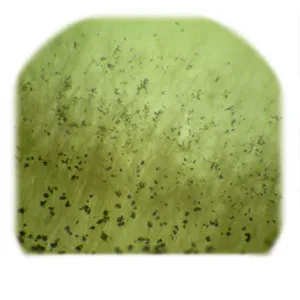
Description
Symptoms
The primary symptom of an Aureobasidium infection is the development of dark, sooty, or black patches on the surface of fruits, leaves, and young shoots.
Initially, small spots may appear, which gradually expand and merge to create a stained or "dirty" appearance on the plant surface.
Unlike some aggressive pathogens, this fungus often remains restricted to the epidermis, causing superficial damage rather than internal rotting.
On pomaceous fruits like apples and pears, the skin develops unsightly dark blotches that significantly reduce the quality and appeal of the fruit.
In certain conditions, the affected areas can become sticky or shiny, further complicating the presentation of the harvested produce.
Pathogen
The disease is caused by the fungus Aureobasidium pullulans, a ubiquitous microorganism often found in natural environments and on the surface of plants.
In the agricultural context, it is recognized as a saprophytic or weakly pathogenic fungus that leads to surface blemishes and skin degradation on fruits.
The fungus is highly polymorphic, which allows it to thrive in diverse environmental conditions and colonize a wide range of plant surfaces.
A. pullulans is known for producing extracellular polysaccharides, specifically pullulan, which helps the fungus adhere to surfaces and withstand dehydration.
Infection typically occurs via wind-borne spores, rain splash, or through the activity of insect vectors that damage plant tissues.
Conditions for development
Disease development is strongly associated with high humidity, frequent rainfall, and extended periods of fog during the ripening stage.
Optimal growth for the fungus occurs in temperatures ranging from +15°C to +25°C, providing a favorable window during the growing season.
Dense canopies and poor air circulation in orchards create a microclimate that traps moisture and facilitates the rapid spread of fungal spores.
Physical injuries such as skin cracks, sunburn, or damage caused by insects create the necessary entry points for the fungus to colonize the surface.
Weakened plants with nutrient deficiencies or inadequate irrigation are significantly more susceptible to successful colonization by the pathogen.
Why it matters
The primary economic impact is the degradation of cosmetic quality, rendering fruits unsuitable for fresh market sales due to surface blemishes.
Infected fruits are often more vulnerable to opportunistic secondary infections, leading to rot and post-harvest losses during storage.
If the fungus colonizes the leaf surface, it can interfere with photosynthesis, thereby reducing the plant's overall energy production and fruit sugar content.
In nursery settings, systemic colonization can weaken the development of young saplings, making them less resilient to environmental stress.
Growers face significant financial losses due to the necessity of discarding produce that fails to meet strict visual quality standards.
Protection
Cultural practices such as regular pruning are essential to improve air circulation within the canopy, which helps lower humidity levels.
Maintaining balanced nutrition and proper irrigation is key to keeping plants healthy and resilient against fungal colonization.
Integrated pest management (IPM) is crucial, as preventing insect damage to fruit skin significantly reduces the risk of infection.
Prophylactic application of fungicides during high-risk periods can help manage spore pressure and prevent the onset of visible symptoms.
After harvest, sanitation measures such as removing infected plant debris are vital to minimize the primary inoculum for the following season.
Discussion
No discussions yet — be the first.