
Aulographum
Aulographum
The disease is caused by fungi belonging to the genus Aulographum. These organisms are typically classified as ascomycetes, which often exist as saprotrophs on dead organic matter but can sometimes exhibit pathogenic behavior on living plants.
What the section contains
Aulographum
The primary biological characteristic of this genus is the development of elongated, carbonaceous fruit bodies known as hysterothecia. These structures are distinct, black, and often arranged in linear patterns on the surface of leaves or twigs.
The life cycle involves the production of ascospores within the hysterothecia. These spores are released during periods of moisture and disseminated by wind or splashing water, allowing the fungus to colonize new parts of the host plant.
Aulographum species are quite resilient and can persist on plant debris, such as fallen leaves or dead bark, for extended periods. This survival mechanism allows them to emerge quickly when environmental conditions become favorable.
Belonging to the order Hysteriales, these fungi possess specialized enzymatic systems that enable them to breakdown plant structural components. This ability makes them effective colonizers of both living and decaying plant tissues.
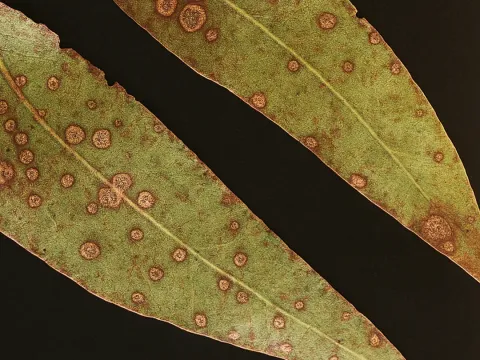
The most recognizable symptom of an Aulographum infection is the presence of thin, black, linear streaks or spots on the foliage. These streaks represent the fungal hysterothecia attached to the leaf surface.
In many cases, the leaf tissue surrounding these black formations may show signs of chlorosis or slight discoloration. This indicates that the fungus is interfering with the plant's normal physiological functions.
As the infection progresses, the surface of the affected plant parts may become roughened or textured due to the accumulation of fungal structures. Severe cases can lead to tissue necrosis, where portions of the leaf die off.
Unlike other fungal diseases, Aulographum does not typically cause rapid defoliation. The fungal bodies remain firmly attached to the substrate, persisting through most of the growing season and impacting the plant's visual appeal.
The pattern of the spots is often dictated by the leaf venation, as the fungus tends to follow the structural lines of the host tissue, creating a unique and identifiable pattern for this pathogen.
High humidity and moisture are the most critical factors for the development and spread of Aulographum. The fungus thrives in environments with frequent rainfall, high dew points, or prolonged fog.
Moderate temperatures, generally ranging from 15°C to 22°C (59°F–72°F), are optimal for spore germination and the development of the fungal colonies. Extreme heat usually halts or slows down the pathogen's activity.
Poor air circulation within the plant canopy significantly increases the risk of infection. When leaves remain wet for extended periods due to lack of airflow, the fungus can easily infect and spread throughout the plant.
Mechanical injuries caused by insects, pruning, or hail provide easy entry points for the fungal spores. Furthermore, plants under stress from poor nutrition or drought are more susceptible to colonization.
Dense plantings that lack adequate space are highly prone to outbreaks. The proximity of leaves allows for easier transmission of the fungus, creating a conducive microclimate for the pathogen to flourish.
The primary impact of Aulographum is a significant reduction in the aesthetic value of the plants. This is particularly problematic in ornamental gardening, nurseries, and public park maintenance where visual quality is paramount.
By covering the leaf surface with its fungal structures, the pathogen interferes with the plant's photosynthetic capacity. This leads to a decrease in overall energy production, eventually causing the plant to grow more slowly.
Chronic infestation weakens the plant over time. The constant drain on resources makes the host less resilient to environmental stressors such as harsh winters, drought, or attacks by secondary pests.
Although the fungus is rarely lethal on its own, it creates a weakened state that may invite secondary bacterial or fungal infections, further complicating the plant's health recovery.
The presence of the disease necessitates increased maintenance efforts, including sanitation and chemical interventions, which adds to the operational costs for growers and landscapers.
Sanitation is the most effective management strategy. This includes the regular pruning of affected branches and the immediate removal and destruction of all fallen leaves to eliminate the reservoir of fungal spores.
Prophylactic fungicide applications, particularly those containing copper or sulfur, can help protect the leaves from infection. It is recommended to apply these treatments early in the spring before the buds begin to open.
Proper horticultural practices are essential for prevention. Pruning for better air circulation and sunlight exposure reduces the humidity around the foliage and disrupts the fungus's life cycle.
Maintaining the overall health of the plant through balanced fertilization and proper irrigation helps the host build natural defenses against fungal pathogens, reducing the need for chemical control.
- Monitor plants regularly for early signs of spots.
- Remove and burn all infected plant debris.
- Ensure adequate spacing between plants to improve airflow.
- Use fungicides preventively in high-risk areas.