
Aurantiporus pulcherrimus
Aurantiporus pulcherrimus
Description
Symptoms
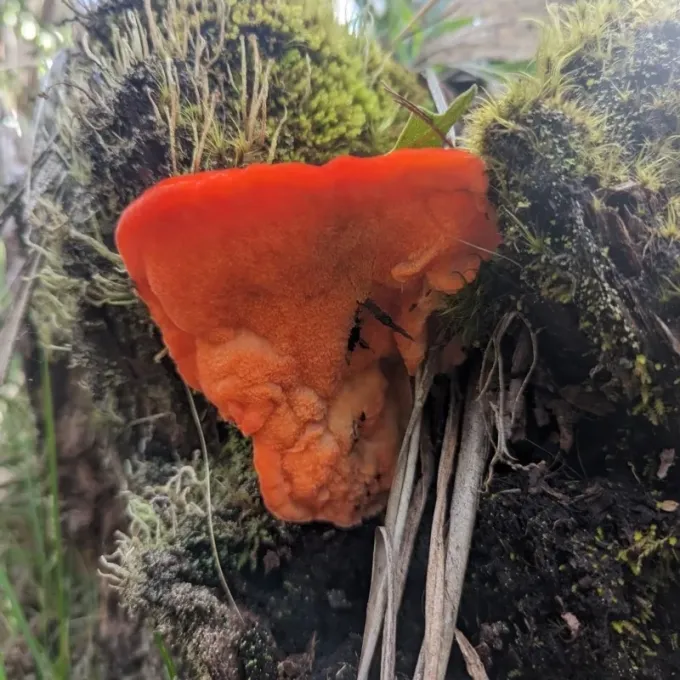
The primary external sign of the fungus is the presence of bright, fleshy orange-red fruit bodies growing on the tree trunk. They may appear individually or in small clusters, standing out due to their intense color.
Internal wood conditions change significantly: the infected zone takes on a brownish hue, loses its structural strength, and eventually turns into a soft mass. This decay process compromises the structural integrity of the tree trunk.
Leaves on the affected branches or the entire crown may yellow or wither prematurely due to the disruption of water and nutrient transport. This indicates a severe impact on the tree's vascular system by the pathogen.
As the disease progresses, characteristic cracks may appear on the bark, sometimes oozing exudate during wet weather. When tapping the trunk in the infected area, a hollow sound confirms the presence of internal rot.
In advanced cases, limb breakage occurs, and the tree gradually dies. Regular inspection of tree trunks for the presence of fruit bodies is the most reliable method for visual identification of this disease.
Pathogen
The causal agent of this disease is the wood-destroying fungus Aurantiporus pulcherrimus, which belongs to the Basidiomycota division. It is a specialized parasite that primarily affects the wood of living hardwood trees in forests and parklands.
This fungus is a facultative parasite, capable of transitioning from a parasitic lifestyle on living wood to a saprotrophic one after the host dies. Its mycelium penetrates deeply into the tree tissues, gradually decomposing the lignin and cellulose structure.
The biology of the pathogen is characterized by the production of annual fruit bodies, often featuring a vibrant orange-red color, from which the species name is derived. Sporulation occurs during the summer and autumn, facilitating the dispersal of the infection.
The mycelium spreads primarily through the heartwood, utilizing the conductive system of the host. Infections typically enter the tree through fresh mechanical wounds, pruning cuts, or frost cracks in the bark.
The life cycle of the pathogen is closely linked to weakened or injured trees, making it a critical secondary factor in forest degradation. Morphological studies of the spores allow for accurate diagnosis of the species in the field.
Conditions for development
The development of the fungus is most intense under conditions of high humidity and moderate temperatures. Rainy periods during the growing season provide the optimal environment for spore germination and infection.
The existence of open wounds on the tree trunk is a critical factor for infection. Unprotected pruning cuts or bark damage caused by maintenance equipment become ideal entry points for fungal spores.
General stress in trees, caused by drought, poor soil quality, or insect damage, facilitates faster colonization by the fungus. Healthy and vigorous trees possess higher natural resistance against such infections.
Temperature ranges between 18 and 25 degrees Celsius are optimal for mycelial growth and fruit body formation. In dense, poorly ventilated plantings, the risk of pathogen spread increases significantly.
Failure to perform sanitation measures, such as removing standing deadwood or damaged trees, leads to an accumulation of infectious spores in the area. This creates a favorable environment for the persistent spread of the disease.
Why it matters
The primary damage caused by Aurantiporus pulcherrimus is the loss of mechanical strength in the trunk, increasing the risk of windthrow. The tree becomes a significant hazard to safety in public and forest areas.
The biological impact of the fungus leads to the gradual physiological weakening of the tree, which results in reduced growth rates and productivity. The tree can no longer perform its biological functions effectively.
In decorative and urban environments, the loss of aesthetic value and the need for expensive removal of hazardous trees pose a significant economic burden on municipal authorities.
Internal wood decay renders the timber unsuitable for commercial use, significantly devaluing forest resources. Infected wood loses its technical and structural properties entirely.
Widespread dissemination of the pathogen can lead to local epidemics, damaging large portions of the stand. This necessitates careful monitoring and intervention by forest pathology services.
Protection
The key management strategy involves strict adherence to sanitary logging practices and the prompt removal of infected trees. This helps to reduce the overall spore load in the vicinity.
Important preventive measures include the proper treatment of tree wounds caused by mechanical damage or pruning. The use of wound dressings and antiseptic pastes prevents the entry of fungal spores.
Regular monitoring of tree health in parks allows for early detection of the disease, providing a window for treatment or targeted removal before the infection spreads further.
Ensuring optimal growing conditions, such as proper watering and fertilization, strengthens the tree’s natural immunity. Healthy trees are significantly better at resisting pathogen attacks.
While fungicide application is possible in cases of high-value trees, it has limited use in forest ecosystems and must be conducted under the guidance of professional plant protection specialists.
Discussion
No discussions yet — be the first.