
Aulographaceae
Aulographaceae
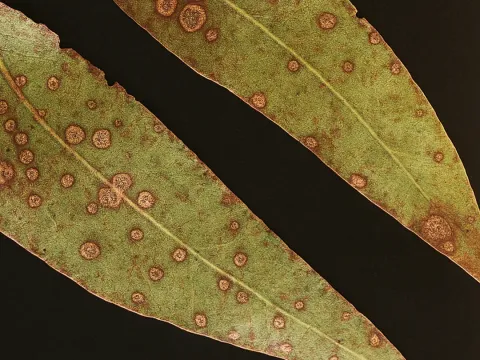
Aulographaceae is a family of fungi in the order Aulographales (class Dothideomycetes). These fungi function as plant pathogens, causing various types of foliar lesions on many species of plants.
What the section contains
Aulographaceae
The defining characteristic of this family is their fruiting bodies, known as hysterothecia. These are typically elongated or slit-like structures that emerge through the plant epidermis.
These fungi are often hemibiotrophs or saprotrophs, capable of surviving on decaying plant material during the off-season. This allows them to persist in the environment from one growing season to the next.
Dispersal primarily occurs via ascospores, which are ejected under conditions of high humidity. Wind and rain splash are the main mechanisms responsible for moving spores to healthy host tissues.
The biology of these fungi remains a subject of ongoing study, with most identified species showing a preference for warm, humid climates found in tropical and subtropical regions.
The primary symptom of an Aulographaceae infection is the appearance of distinct leaf spots. These spots are often elongated or follow the veins of the leaf, which is a common diagnostic feature.
As the disease progresses, the center of the spots develops the characteristic dark, slit-like fruiting bodies. This gives the leaf surface a rough or textured appearance.
Initially, lesions may appear as light chlorotic patches. As the fungal growth continues, these spots turn necrotic, becoming brown or black as the leaf tissue dies.
In cases of severe infestation, the leaves may show signs of premature yellowing and leaf curl, significantly disrupting the plant's normal physiological activities.
Because visual symptoms can overlap with other leaf-spotting fungi, correct identification usually requires microscopic examination of the fungal reproductive structures.
Aulographaceae thrives in environments with prolonged periods of high humidity. Frequent rainfall and persistent dew are critical for successful spore germination and mycelial colonization.
The optimal temperature range for the development of these pathogens is typically between 20°C and 28°C. Lower temperatures generally inhibit the rate of fungal growth.
Proper airflow is a limiting factor for this disease. Dense planting or overgrown tree canopies create stagnant air pockets that keep the foliage wet for extended durations.
Agricultural mismanagement, such as failing to remove infected leaf litter, provides a reservoir for the pathogen to survive and re-infect the plants in the spring.
Plants under physiological stress, whether from drought, improper soil nutrition, or pest infestation, are significantly more susceptible to successful colonization by the fungus.
The main damage caused by Aulographaceae is the reduction of the leaf surface area available for photosynthesis. This leads to reduced energy production and stunted plant growth.
By causing necrotic lesions, the fungus compromises the leaf's structural integrity, leading to premature leaf drop, which can weaken the plant over the long term.
In fruit-bearing plants, the reduction in photosynthetic activity can directly lead to lower crop yields and poor quality of the harvested produce.
Ornamental plants suffer from aesthetic damage, which can be significant in nurseries or public landscapes, potentially leading to the rejection of plant stock.
Chronic infection weakens the plant's overall vitality, making it more vulnerable to secondary opportunistic pathogens and environmental stressors like cold or heat damage.
The most effective cultural control is rigorous sanitation. Removing and destroying fallen leaves during the dormant season significantly reduces the primary inoculum source.
Improved air circulation is vital. Proper pruning of trees and maintaining appropriate spacing between crops helps to keep the foliage dry, discouraging fungal activity.
When the disease reaches an economic threshold, the application of fungicides may be necessary. Copper-based or triazole-group fungicides are generally effective against these pathogens.
Irrigation management is a key preventive strategy. Using drip irrigation instead of overhead watering minimizes the amount of time foliage remains wet, limiting infection cycles.
Integrated Pest Management (IPM) practices, including regular monitoring and the use of resistant cultivars, form the backbone of a successful strategy to mitigate Aulographaceae impacts.