
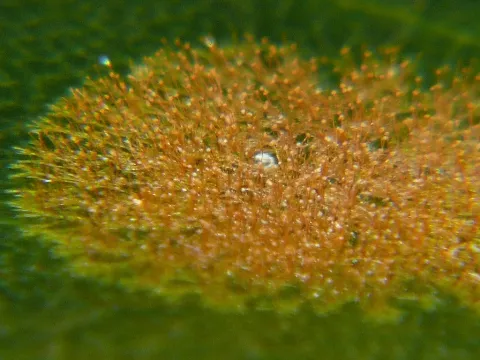
Aurearenophyceae algae
Aurearenophyceae
Aurearenophyceae is a class of unicellular ochrophytic algae. In agronomy, they are recognized as microorganisms that can sporadically colonize moist soil surfaces, occasionally impacting horticultural and agricultural crops.
What the section contains
Aurearenophyceae algae
These organisms are photoautotrophic, meaning they rely on sunlight and moisture for rapid growth. In specialized agricultural environments, such as greenhouses, they can form extensive colonies on the soil surface.
Research indicates that these algae may produce metabolic byproducts that interfere with the normal physiological functions of plant roots. Their presence can be considered a significant stress factor for sensitive seedlings.
The class belongs to the golden algae group, characterized by a unique pigment composition and the presence of siliceous components in their cell walls, which contributes to their environmental resilience.
Their biological activity within the rhizosphere can alter the chemical composition of the root zone, potentially inhibiting the uptake of essential macro- and micronutrients by the plants.
The primary visual sign of infestation is the emergence of a golden-yellow or yellowish-brown film on the soil surface. This layer may appear slimy when wet or form a brittle crust upon drying.
Affected plants often display symptoms of chlorosis, particularly in the lower foliage. Growth rates may significantly decrease as the algae compete with the plant for moisture and minerals.
In humid conditions, the algal bloom can spread to the lower stems of plants, creating a habitat that promotes further decay and secondary fungal infections.
Microscopic examination of soil samples reveals the distinct presence of these golden cells. Identifying the organism in its early stages is crucial to preventing a widespread bloom in the seedbed.
The development of an algal crust physically inhibits gas exchange, leading to hypoxia in the root system, which further manifests as wilting or general stunted growth of the crop.
Excessive soil moisture is the primary driver of Aurearenophyceae development. Poor irrigation practices that leave the top layer of soil perpetually damp are the main risk factors.
High light intensity, especially in greenhouses, promotes rapid photosynthesis and growth of these algae. Sufficient light and abundant water create the perfect environment for a bloom.
High levels of nitrogen and phosphorus fertilizers in the upper soil profile provide a rich nutrient source, fueling the aggressive reproduction of these microorganisms.
Low soil aeration and the absence of surface cultivation allow these algae to form stable, dense mats that persist and thicken over time, further worsening soil conditions.
Optimal temperatures for their growth usually fall within the 18–25°C range. During these conditions, the algae can complete their reproductive cycles very quickly.
The primary harm is the direct competition for surface-level nutrients, which significantly reduces the availability of fertilizers to the target plants.
The physical crust formed by the algae prevents oxygen from reaching the soil, negatively impacting the respiratory processes of plant roots and beneficial soil microorganisms.
The alteration of the soil pH due to algal metabolism can make certain essential trace elements unavailable, causing deficiencies that are difficult to correct with standard fertilization.
Severe infestations can cause substantial losses in seedling stands. Even at lower levels, the reduced vigor of plants makes them more susceptible to opportunistic diseases and pests.
The presence of these algae often leads to a degraded soil structure, which takes time and corrective action to restore, impacting overall farming efficiency.
Strict irrigation management is the most effective preventative measure. Allowing the top layer of soil to dry out between waterings is essential to disrupt the algal lifecycle.
Regular cultivation or stirring of the topsoil layer physically destroys algal colonies and significantly improves oxygen access to the root zone.
Where necessary, the use of approved agricultural algaecides can be employed to manage large outbreaks. These must be applied strictly according to the product guidelines.
Improving greenhouse ventilation helps to maintain lower relative humidity on the soil surface, discouraging the growth of surface-dwelling algae.
Using sterile, high-quality irrigation water and ensuring equipment hygiene are vital for preventing the initial introduction of these organisms into the growing area.