
Aureobasidium microstictum
Aureobasidium microstictum
Aureobasidium microstictum is a fungus belonging to the Dothideomycetes class. It is primarily known as an epiphytic organism, but it can act as a pathogen under specific environmental stressors.
What the section contains
Aureobasidium microstictum
The fungus is characterized by its pleomorphic nature, producing yeast-like cells and dark, septate hyphae. This structural diversity allows it to survive in various ecological niches on the plant surface.
It is classified within the Saccotheciaceae family. The pathogen is capable of persisting on plant debris and soil surfaces for extended periods, serving as a primary inoculum source for subsequent seasons.
The spread of the fungus is primarily driven by conidia, which are disseminated by wind, rain splashes, and physical contact with tools or insects. It thrives in humid environments where moisture facilitates its infection process.
The fungus produces a suite of enzymes that allow it to break down plant cell walls, facilitating colonization. It is frequently identified in complexes with other microorganisms, which often masks its specific impact.
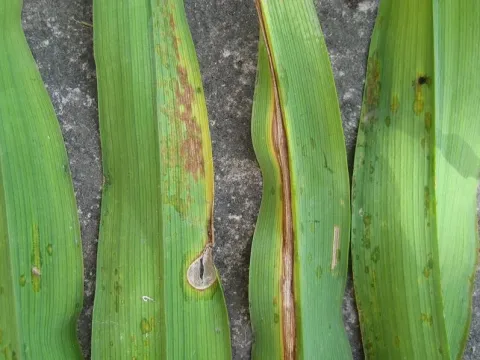
The most common symptom of Aureobasidium microstictum infection is the appearance of necrotic spots on the leaf surface. These spots are often circular or angular with well-defined borders.
Initially, the spots may appear small and inconspicuous. As the disease progresses, the lesions expand and may coalesce, leading to significant damage to the photosynthetic tissue of the leaves.
During periods of high humidity, a dark, olive-black fungal growth—the conidial mass—becomes visible within the lesions. This sign is essential for distinguishing the disease from bacterial infections.
As the tissue dies, centers of the spots may dry out and crack, giving the leaves a ragged or shot-hole appearance. This symptom is particularly common in sensitive host plants.
In advanced stages of the disease, severe chlorosis and premature leaf abscission are observed. The plant exhibits stunted growth, and the overall vigor of the crop is markedly reduced.
High relative humidity is the critical factor for the development of the disease. Prolonged rainy weather, heavy dew, or frequent overhead irrigation significantly increase the risk of infection.
Optimal temperatures for the growth of Aureobasidium microstictum are moderate. The fungus is highly adaptive and can proliferate under various climatic conditions as long as moisture levels remain high.
Poor ventilation in dense crop stands or greenhouse environments creates a stagnant microclimate, which is highly conducive to the rapid spread of spores from infected to healthy tissues.
Plant wounds caused by insect feeding, hail damage, or pruning provide direct entry points for the fungal hyphae, making these damaged areas the primary infection sites on the plant.
Imbalanced soil fertility, especially excessive nitrogen application, can lead to the production of softer, succulent plant tissue, which is more susceptible to fungal penetration and colonization.
The primary damage caused by this pathogen is the loss of effective leaf area, which directly impairs the plant's ability to perform photosynthesis, ultimately reducing crop yield.
Infection can severely affect the aesthetic and commercial value of ornamental plants, leading to significant economic losses for growers and retailers in the horticultural sector.
Persistent infections weaken the host, making it more susceptible to secondary pathogens, including various types of fruit and root rots that can lead to total crop loss during storage.
Premature leaf drop negatively impacts the accumulation of reserves in perennial plants, which can reduce winter hardiness and lead to poor performance in the following growing season.
Indirect losses are also associated with the costs of disease management, including the procurement of fungicides, specialized labor, and the disposal of infected plant material.
Effective management begins with proper cultural practices. Ensuring adequate plant spacing improves air circulation and reduces leaf moisture, creating an unfavorable environment for the fungus.
Strict sanitation is mandatory. Removing and destroying all infected plant residues at the end of the season drastically reduces the amount of inoculum for the next crop cycle.
- Regular monitoring for early signs of disease.
- Avoidance of overhead irrigation to keep foliage dry.
- Use of certified disease-free planting material.
- Balanced nutrition to promote natural plant resistance.
- Timely pruning to maintain plant health and light penetration.
Fungicide applications, when necessary, should be based on official guidelines for specific crops. It is recommended to use products with different modes of action to mitigate resistance risks.
Biocontrol agents, such as specific strains of beneficial bacteria or fungi (e.g., Trichoderma species), can be highly effective in reducing disease pressure and suppressing fungal growth.