
Alternaria rot of citrus
Alternaria citri
The causative agent of the disease is the fungus Alternaria citri, a facultative parasite that survives in plant debris, soil, and infected fruit remnants. It thrives by decomposing organic matter and invading host tissue.
What the section contains
Alternaria rot of citrus
The fungus produces spores that are easily spread by wind, splashing rain, and agricultural tools. Once it lands on a susceptible part of the citrus tree, it germinates and begins to penetrate the surface layer of the plant.
Alternaria citri secretes potent toxins, such as actotoxins, which are responsible for the severe tissue necrosis observed in the fruit and leaves of the infected trees.
The fungus is highly resilient and can remain dormant during unfavorable conditions, making it a persistent threat in many citrus-growing regions globally. It can infect plants at various stages of their development.
Genetic diversity within the Alternaria species allows the pathogen to adapt to different environmental conditions and potentially overcome some defensive barriers of host plants over time.
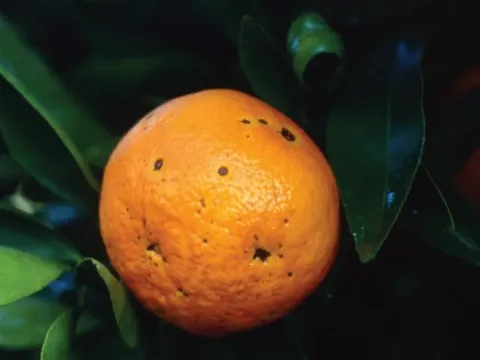
The disease first manifests on fruit as small, dark brown or black spots, frequently appearing near the stylar end or the stem attachment point. These spots slowly expand, turning into sunken, necrotic lesions.
Internally, the infected fruit develops a distinctive black, dry rot. The internal segments break down, and the pulp becomes discolored and unpalatable, eventually leading to premature fruit drop.
On leaves, the symptoms appear as irregular, dark spots often surrounded by a light yellow halo. As the infection progresses, these leaves may curl, wither, and drop prematurely from the canopy.
Young shoots may develop elongated lesions that can eventually girdle the twig, causing it to die back. These symptoms significantly reduce the overall health and vigor of the citrus tree.
- Dark necrotic spots on the fruit surface
- Internal black, dry rot of citrus fruit
- Leaf spotting with chlorotic halos
- Premature fruit and leaf drop
- Dieback of twigs and young branches
Alternaria rot is primarily favored by high humidity and moderate temperatures. The most favorable environment for spore production and germination is typically between 20°C and 25°C with high ambient moisture.
Persistent rainfall or overhead irrigation systems that keep the foliage wet for extended periods significantly increase the risk of disease outbreaks in both orchards and greenhouse environments.
Trees that are stressed due to nutrient deficiencies, insect infestations, or physical injuries to the fruit skin are significantly more vulnerable to successful colonization by the fungus.
Poor orchard sanitation, characterized by the accumulation of leaf litter and infected fallen fruits, acts as a primary reservoir for the fungus to overwinter and reinfect the crop the following season.
Lack of proper air circulation within the canopy, often due to overly dense plantings, creates microclimates with increased humidity that are conducive to fungal growth and rapid disease spread.
The primary economic impact of this disease is the direct loss of harvest volume. Infected fruit, even if only partially affected, are generally considered unmarketable and are rejected by processors and consumers.
Prolonged infection leads to significant tree decline. The loss of photosynthetic leaf area and the destruction of new shoots reduce the tree's ability to produce carbohydrates, leading to lower yields.
Infection cycles contribute to the buildup of inoculum in the orchard environment. This necessitates more frequent and costly fungicide applications to maintain tree health and ensure marketable yields.
The rot also complicates storage and shipping, as infected fruit can contaminate entire crates, leading to secondary losses long after the harvest has taken place.
By weakening the overall plant, Alternaria rot makes the citrus trees more susceptible to further infestations by pests and secondary pathogens, initiating a cycle of declining productivity.
Strict sanitation is the foundation of disease management. All infected fruits, fallen leaves, and dead twigs must be removed from the orchard and destroyed to reduce the inoculum load.
Copper-based fungicides are standardly used for preventative control. Timely applications should be made during the blooming period and during peak times of humidity to protect young, developing fruit.
Integrating cultural practices is essential, such as pruning to improve airflow in the canopy and ensuring that orchards have adequate drainage to prevent water stagnation around the root systems.
Effective pest management is crucial because insects like mites and whiteflies can cause the physical damage that acts as an entry point for fungal spores.
Farmers should prioritize the use of resistant rootstocks and balanced fertilization programs to enhance the trees' natural defensive mechanisms and overall robustness against potential infections.