
Alternaria leaf spot of shasta daisy
Alternaria leucanthemi
Description
Symptoms
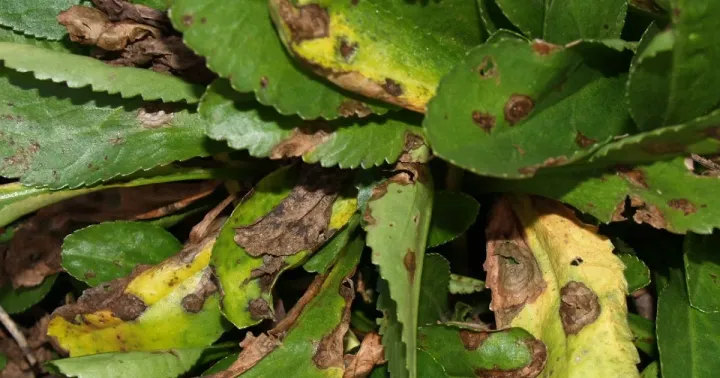
The primary symptoms manifest as small, dark brown or black spots on the leaves, usually starting on the lower, older leaves near the base of the plant.
These spots frequently expand and develop concentric rings, giving them a target-like appearance, which is a hallmark feature of many Alternaria species.
Under humid conditions, a characteristic velvety, grayish-black fungal growth can be observed on the surface of the lesions, representing the sporulation of the pathogen.
As the disease progresses, the leaves turn yellow and become necrotic, eventually drying up and dropping off, which severely reduces the photosynthetic capacity of the daisy.
In advanced cases, the infection can spread to the stems and flower stalks, causing elongated, sunken lesions that can compromise the structural integrity of the flower and prevent normal blooming.
Pathogen
The disease is caused by the pathogenic fungus Alternaria leucanthemi, which is classified as an anamorphic fungus within the Ascomycota phylum. This pathogen is highly specialized in colonizing herbaceous perennials.
The fungus overwinters primarily in infected plant debris left in the soil, and its conidia (spores) are easily dispersed by wind currents, splashing rain, or even human activities during routine garden maintenance.
Alternaria leucanthemi has a rapid life cycle, capable of producing multiple generations of spores within a single growing season, which allows for quick infection of neighboring plants.
The fungus utilizes specialized enzymes to break down plant cell walls, allowing the mycelium to penetrate the tissue and absorb nutrients, leading to cell death and tissue necrosis.
The persistence of this pathogen is significant; it can remain dormant in the soil for extended periods, waiting for optimal moisture and temperature conditions to initiate a new infection cycle.
Conditions for development
The development of Alternaria leaf spot is heavily dependent on moisture. Prolonged periods of high relative humidity are essential for the germination of fungal spores on leaf surfaces.
Warm temperatures, generally ranging between 22°C and 28°C, accelerate the fungal metabolic processes and shorten the time between infection and the appearance of new symptoms.
Poor air circulation within dense plantings prevents foliage from drying out quickly after rain or irrigation, creating a conducive environment for spore germination.
Plants under physiological stress, often due to inadequate mineral nutrition or water imbalance, show increased susceptibility to Alternaria leucanthemi attacks.
Excessive overhead irrigation is a primary environmental factor that promotes the spread of the disease, as it facilitates the movement of spores from the soil to the leaves.
Why it matters
The disease causes significant aesthetic damage to shasta daisies, as the loss of lower foliage makes the plants look sparse and unsightly in landscaping applications.
Repeated defoliation due to the disease weakens the plant's root system, leading to poor vigor, reduced flowering capacity, and potential decline of the perennial crown over several seasons.
In commercial nurseries, the presence of this fungus can lead to substantial financial losses due to the inability to meet quality standards for saleable inventory.
Plants affected by this fungus become generally more susceptible to opportunistic secondary infections by other weak pathogens or secondary pest infestations.
Increased vulnerability to winter cold is often observed in diseased plants, as the lack of stored nutrients (due to reduced photosynthesis) inhibits the plant’s ability to survive harsh winter conditions.
Protection
Sanitation is the first line of defense: remove and dispose of all infected plant materials and debris at the end of the season to reduce the primary inoculum load.
Improve air circulation by providing adequate spacing between plants and keeping the garden area free of weeds that could harbor the fungus.
Utilize drip irrigation or targeted watering methods to keep the foliage dry, which effectively breaks the disease development cycle.
- Apply preventive fungicides containing chlorothalonil or copper-based compounds if disease pressure is high.
- Maintain plant health with balanced phosphorus and potassium fertilizers to improve natural resistance.
- Use biological control agents like Bacillus subtilis as a preventive measure during the early spring.
Regular monitoring of the garden, particularly during humid weather, allows for early intervention and prevents the disease from reaching an epidemic stage.
Discussion
No discussions yet — be the first.