
Amanita
Amanita
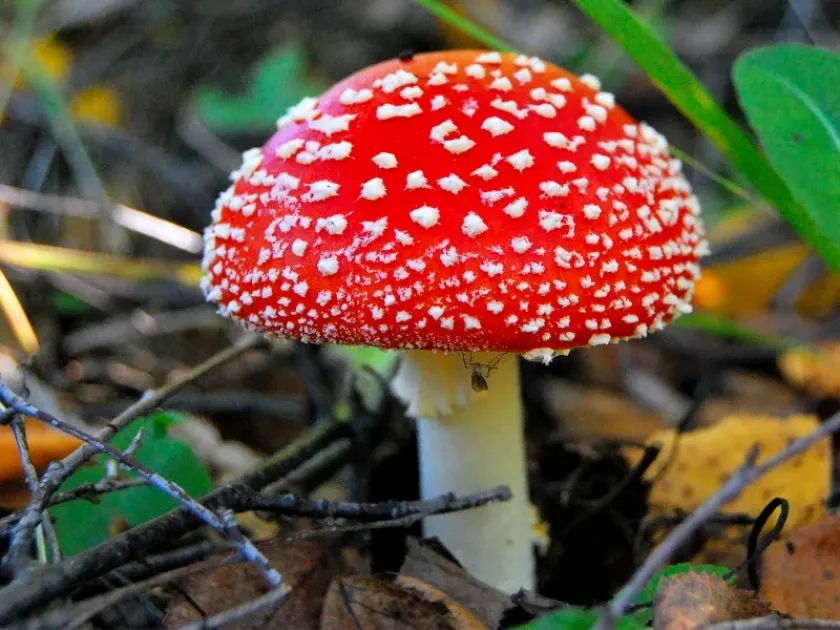
Description
Pathogen
The Amanita genus consists of mushroom-forming fungi that are not classified as plant pathogens in modern agricultural science.
Instead of causing diseases, these organisms are known as essential mycorrhizal partners, establishing symbiotic connections with the roots of various forest trees.
The fungus provides the plant with essential nutrients and minerals, while the tree supplies the fungi with carbohydrates obtained through photosynthesis.
Misunderstandings regarding these fungi as pathogens often arise from their proximity to sick plants, though they are actually a sign of a functioning ecosystem.
Their biological structure is characterized by distinct features such as a volva at the base and a ring on the stipe, which are standard identification markers.
Conditions for development
Amanita species require specific environmental conditions to develop their fruiting bodies, primarily linked to the proximity of host trees like birch or spruce.
High soil moisture is a fundamental factor for the survival and expansion of the fungal mycelium in the forest floor layer.
The growth phase is highly dependent on moderate temperatures, usually occurring during periods of seasonal humidity.
Soil composition, particularly the presence of organic matter and a slightly acidic pH, facilitates the best growth conditions for these fungi.
Lack of environmental disruption, such as minimal soil disturbance, allows the mycelium to remain active and healthy beneath the surface.
Why it matters
Amanita fungi do not harm agricultural crops or garden plants because they do not feed on live plant tissues.
The main hazard associated with this genus is the presence of potent toxins in many species, which poses a risk if ingested by animals or humans.
In forest nurseries, high density of these mushrooms is often perceived as a problem, although they generally do not compete aggressively with young seedlings.
There is no economic loss attributed to these fungi in crop production, unlike traditional fungal pathogens that destroy yields.
The primary concern is safety, particularly in areas near livestock pastures or public spaces where accidental ingestion might occur.
Protection
There are no chemical control measures recommended for Amanita, as they are not detrimental to the health of cultivated plants.
Good agricultural practices that manage soil moisture and promote air circulation are sufficient to prevent excessive growth.
Manual removal of fruiting bodies is the most effective and safe method to prevent spores from spreading in unwanted areas.
Protecting the natural balance of soil microflora is preferable to using broad-spectrum fungicides that could harm beneficial organisms.
- Improve soil drainage systems
- Regular manual removal of mushrooms
- Organic matter management
- Proper disposal of organic waste
Discussion
No discussions yet — be the first.