
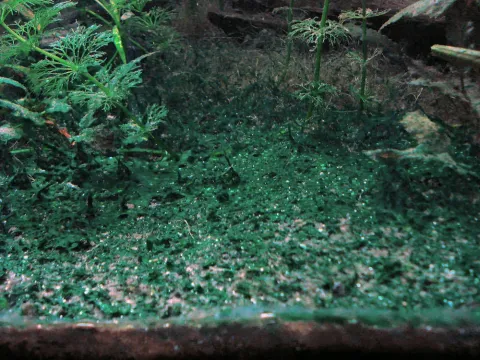
Synechococcus aeruginosus
Synechococcus aeruginosus
Synechococcus aeruginosus is a unicellular cyanobacterium that can colonize agricultural soil surfaces, acting as a competitive microorganism.
What the section contains
Synechococcus aeruginosus
While not a typical parasitic plant pathogen, it forms dense mats or biofilms that physically interfere with soil properties and plant development.
This organism is a photoautotroph, meaning it relies on light to proliferate, and it thrives in moisture-rich environments common in irrigated fields.
Its biological structure allows it to survive in various conditions, becoming a nuisance when environmental factors favor rapid, unchecked growth.
Recognition of this species is essential for agronomists, as its presence often signals improper water management or poor soil structure.
The primary symptom of Synechococcus aeruginosus infestation is the appearance of a blue-green, slippery, and gelatinous surface layer on the soil.
Plants affected by the proximity of these colonies often show reduced vigor, stunted growth, and visible chlorosis compared to healthier crops.
The organism forms a crust around the plant base, which impedes gas exchange and significantly reduces the soil's oxygen availability.
In wet conditions, the affected areas appear greasy, often accompanied by a stagnant odor due to the disruption of healthy aerobic microbial processes.
Upon drying, the algal mat turns into brittle, dark-colored flakes that can be wind-dispersed, potentially spreading the colonies to new areas.
Prolonged soil surface moisture, often caused by frequent irrigation or poor drainage, is the primary driver for Synechococcus proliferation.
High light intensity is crucial, as the organism requires photosynthesis to fuel its rapid colony expansion across the soil surface.
Nutrient enrichment, particularly high concentrations of surface-applied nitrogen and phosphorus, provides the necessary resources for bloom events.
Compacted soil conditions hinder water infiltration, creating the stagnant water pools necessary for the survival and spread of the cyanobacteria.
Optimal growth temperatures for these organisms generally range from 20 to 30 degrees Celsius, which coincides with the peak growing season for many crops.
The major impact is the alteration of the soil surface interface, creating a physical barrier that limits essential gas exchange for plant roots.
This suppression of soil respiration promotes anaerobic conditions, which can lead to root rot and the accumulation of harmful metabolic byproducts.
The competition for surface nutrients and the occupation of the space can inhibit the germination of seeds and the establishment of seedlings.
The presence of dense algal mats negatively affects the water-holding capacity of the soil surface, leading to rapid evaporation of moisture from the top layer.
Overall, significant infestations result in reduced crop yields and increased vulnerability to other secondary plant pathogens that thrive in weakened host plants.
Improving field drainage is the most effective long-term strategy to prevent the conditions that lead to the proliferation of Synechococcus aeruginosus.
Regular cultivation and loosening of the soil surface break the biofilms and disrupt the organism’s ability to establish a continuous mat.
Precision irrigation management, aiming to avoid excessive surface ponding, is essential for maintaining a healthy soil environment.
Applying organic mulches can help regulate light availability to the soil surface, effectively limiting the light required for the cyanobacteria to survive.
Judicious nutrient management, avoiding over-application of surface-level fertilizers, is crucial to limit the nutrient availability that feeds algal blooms.