
Synechocystis aquatilis
Synechocystis aquatilis
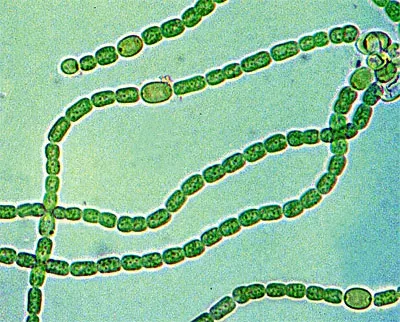
Description
Symptoms
The primary symptom of a Synechocystis aquatilis outbreak is the sudden turning of water into an intense, bright green or blue-green color.
A slimy, gelatinous film often forms on the surface of water reservoirs, along the edges of tanks, or on the piping of hydroponic installations.
In irrigation systems, the presence of these algae is indicated by clogged filters and a slippery green coating on the inner walls of pipes.
Plants affected by these cyanobacteria show signs of stress, including chlorosis, stunted growth, and visible damage to the root system.
A distinctive earthy or musty smell in the water is a common sensory indicator that significant algal colony development has occurred.
Pathogen
Synechocystis aquatilis is a species of unicellular cyanobacteria, frequently found in freshwater environments and agricultural irrigation systems.
These organisms perform oxygenic photosynthesis, utilizing sunlight to fuel their growth and metabolism within aquatic habitats.
In agricultural practice, they are often considered biological contaminants that thrive in hydroponic systems, ponds, and fertigation lines.
They are characterized by a spherical cellular shape and often secrete mucilaginous sheaths that protect the colonies from external stressors.
Their life cycle relies on simple cell division, which allows for rapid proliferation when environmental conditions are optimal for biomass production.
Conditions for development
High levels of nutrients, particularly nitrogen and phosphorus found in liquid fertilizers, serve as the primary catalyst for rapid algal blooming.
Warm temperatures, generally ranging from +20°C to +30°C, significantly increase the metabolic rate and reproductive capacity of the bacteria.
Prolonged exposure to light, whether from direct sunlight or artificial grow lights, is a fundamental requirement for their photosynthesis.
Stagnant water conditions without proper circulation facilitate the clustering and settling of Synechocystis aquatilis in vulnerable areas.
Lack of proper filtration and sterilization allows the population to survive between growing cycles and re-colonize the system quickly.
Why it matters
Cyanobacteria can release toxins that inhibit root development and interfere with the absorption of essential micronutrients by crops.
The night-time oxygen consumption of large algal mats leads to localized hypoxia, which can cause root rot and total plant failure.
Mechanical blockages in irrigation systems increase maintenance costs and cause uneven water distribution across the cultivated area.
Nutrient uptake is hindered as the algae compete with crops for dissolved minerals, leading to unintended nutrient deficiencies.
The decay of accumulated biomass provides a breeding ground for secondary plant pathogens, increasing the risk of stem and root diseases.
Protection
The first line of defense is light exclusion, which involves covering water reservoirs and piping to prevent photosynthesis.
Installing UV sterilization units within the irrigation circuit is an effective, chemical-free way to eradicate Synechocystis aquatilis cells.
Monitoring and balancing nutrient solutions helps prevent the over-accumulation of phosphorus and nitrogen that promotes algal growth.
- Regular cleaning of reservoirs using food-grade hydrogen peroxide.
- Maintaining constant water flow to prevent stagnation.
- Ensuring all irrigation components are opaque to block light.
Periodic maintenance and professional sanitation of all hydroponic equipment are essential to prevent recurrent outbreaks of this species.
Discussion
No discussions yet — be the first.