
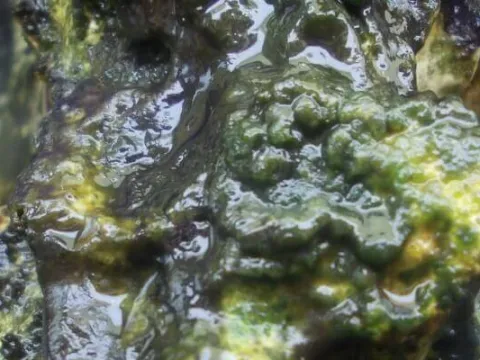
Synechococcales
Synechococcales
Synechococcales represent a group of photoautotrophic prokaryotic organisms, commonly identified as cyanobacteria. In agronomic practices, their rapid proliferation on the surface of growing media or soil is often considered a pathogenic indicator for greenhouse crops.
What the section contains
Synechococcales
These organisms are primitive yet highly efficient photosynthetic beings. Under favorable light and moisture conditions, they form dense biofilms that colonize substrate surfaces, competing with plants for essential resources.
Cyanobacteria are biologically versatile. They occupy the top layer of the substrate, essentially sealing it and altering the microbial balance of the root zone, which can lead to adverse plant performance.
The life cycle of these algae is closely tied to water availability and light exposure. They can survive prolonged dry periods by entering a dormant state, ready to bloom again once moisture levels increase.
In modern agricultural systems, such as hydroponics or nursery pot production, their presence is a clear sign that water management or nutrient delivery systems require adjustment.
The primary symptom is the appearance of a visible slimy, green to blue-green film on the top of the potting soil or hydroponic growth medium.
As the algae mat matures, it develops a gelatinous texture that covers the base of the stem and chokes the soil surface, effectively sealing it from atmospheric gas exchange.
Plants affected by significant algal growth often exhibit yellowing of lower leaves and an overall reduction in vigor, as the algae effectively deprive the roots of necessary oxygen.
When the algae dry out, they form a crusty, cracked layer on the surface that prevents water from penetrating the root zone during irrigation, leading to uneven moisture distribution.
In hydroponic setups, a greenish, slippery buildup can be observed on irrigation lines and emitters, which often leads to clogging and inconsistent nutrient flow.
Excessive moisture on the soil surface is the most critical factor for the development of Synechococcales, often caused by overhead irrigation or poor drainage in nursery pots.
High light intensity, whether from natural sunlight or artificial grow lights, provides the energy required for the algae to multiply rapidly through photosynthesis.
High levels of minerals in the irrigation water or an excess of nutrient salts in the fertilizer solution provide the essential food source that fuels a massive algal bloom.
Inadequate airflow within the greenhouse structure traps humidity near the surface of the soil, maintaining the constant dampness required for algal colonies to thrive.
Compact soil structures that lack sufficient aeration also promote the development of these microorganisms, as they thrive where gas exchange is naturally restricted.
The main harm caused by Synechococcales is the reduction of soil oxygen levels, which induces root hypoxia and often results in root rot and stunted plant growth.
These algae actively strip the substrate of vital nutrients, particularly nitrogen and phosphorus, creating a nutrient deficiency for the developing crop.
The metabolic byproducts released by cyanobacteria during their lifecycle can be toxic to young plants and inhibit beneficial microbial activity in the root zone.
The presence of an algal biofilm serves as a breeding ground for pests, such as fungus gnats, which are attracted to the organic matter and subsequently damage plant roots.
Aesthetically, an algal crust lowers the commercial value of seedlings and ornamental plants, making them difficult to market to quality-conscious consumers.
The most effective strategy is to implement precise irrigation management, ensuring the substrate surface dries out completely between water applications.
Applying a layer of mulch, such as sand, perlite, or landscape fabric, creates a physical barrier that prevents light from reaching the soil, effectively starving the algae.
Enhancing greenhouse ventilation and circulation improves the evaporation rate of the surface moisture, making the environment inhospitable for algae growth.
Regular mechanical disturbance of the soil surface by cultivation or raking breaks up the biofilm and improves the oxygenation of the root zone.
- Monitoring and adjusting the pH of the irrigation water.
- Regular cleaning and sanitization of trays, pots, and irrigation lines.
- Using biological control agents to improve soil health.