
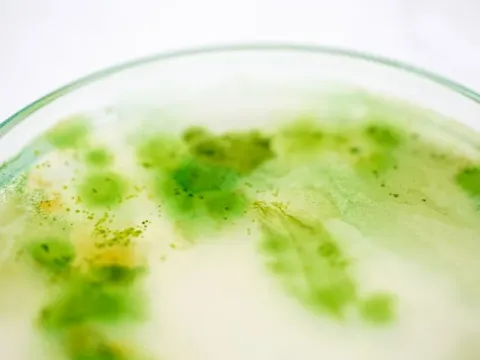
Synechococcus
Synechococcus
Synechococcus is a genus of unicellular cyanobacteria that are ubiquitous in marine and freshwater environments around the globe.
What the section contains
Synechococcus
These organisms are highly efficient photosynthesizers, contributing significantly to primary production in various aquatic ecosystems.
While they are not traditional plant pathogens, their presence in agricultural water supplies represents a major technical challenge.
The proliferation of these bacteria often leads to environmental imbalances that can indirectly stress crops during irrigation processes.
Understanding the life cycle of Synechococcus is essential for maintaining the integrity of water systems in large-scale agriculture.
The rapid growth of Synechococcus populations is primarily driven by the process of eutrophication in irrigation ponds and canals.
Excessive runoff of nitrogen and phosphorus fertilizers from agricultural fields provides the necessary nutrients for massive blooms.
Warmer water temperatures and high levels of sunlight exposure significantly accelerate the reproductive rate of these cyanobacteria.
Stagnant water conditions further promote the accumulation of Synechococcus, making them difficult to manage in conventional water systems.
Fluctuations in water pH levels are also known to influence the dominance of these species within a specific water body.
The primary concern regarding Synechococcus is the physical clogging of drip irrigation emitters and filtration units, causing system failure.
Biomass accumulation can alter the chemical properties of irrigation water, potentially hindering the optimal uptake of nutrients by crops.
The formation of algal biofilms on soil surfaces can impede soil aeration and create an anaerobic environment for plant roots.
Secreted metabolites from the bacteria may exhibit phytotoxic effects, negatively impacting the early developmental stages of sensitive crops.
Furthermore, the reduction of oxygen levels in the water caused by excessive blooms can lead to stress in hydroponic systems.
Effective management requires the implementation of advanced multi-stage filtration systems to remove cellular biomass effectively.
Good agricultural practices, such as installing vegetative buffer strips, help reduce fertilizer runoff and nutrient input into water sources.
Periodic physical cleaning and maintenance of irrigation reservoirs are necessary to prevent the establishment of persistent bacterial colonies.
Chemical control using approved algicides should be applied with caution to avoid adverse impacts on the surrounding soil microbiome.
Monitoring water quality through regular testing allows for timely intervention before Synechococcus populations reach critical levels.