
Swine Erysipelas
Erysipelothrix
The causative agent of the disease is Erysipelothrix rhusiopathiae, a motile, gram-positive bacterium known for its remarkable persistence in the environment.
What the section contains
Swine Erysipelas
This pathogen can survive for long periods in soil, manure, and decomposing carcasses, creating a constant threat of infection for healthy animals.
The bacteria exhibit high resistance to environmental stressors, including desiccation and freezing, which complicates standard cleaning and disinfection routines.
Rodents and contaminated soil serve as primary environmental reservoirs where the bacteria can persist and multiply under favorable conditions.
It is crucial to note that Erysipelas is a zoonotic disease, meaning it poses a significant health risk to humans who handle infected pigs or contaminated materials.
The disease presents in several forms—peracute, acute, subacute, and chronic—each manifesting with distinct clinical indicators that require prompt attention.
In acute cases, pigs typically exhibit high fever (up to 42°C), loss of appetite, and severe lethargy, often huddling together to maintain body heat.
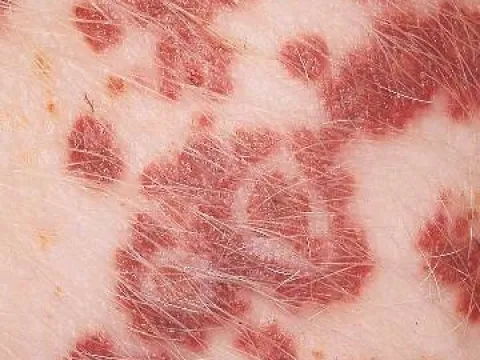
The most pathognomonic sign is the appearance of diamond-shaped, red skin patches that turn purple or cyanotic as the tissue begins to undergo necrosis.
The subacute form, or "diamond skin disease," shows raised, firm, square-shaped lesions on the skin that may slough off as the recovery process begins.
Chronic cases often involve permanent joint damage (arthritis), heart valve infections (endocarditis), and significant loss of body weight and condition.
Poor management practices, such as overcrowding, high humidity, and inadequate ventilation, create the perfect conditions for the rapid spread of the bacteria.
Transmission occurs primarily through the ingestion of feed or water contaminated with the pathogen, or through skin abrasions contacting infected waste.
Seasonal patterns are evident, with most outbreaks occurring during warm weather when the bacteria thrive in the soil and barn environments.
Stressors such as rapid temperature changes, dietary shifts, or poor sanitation lower the immune response, making herds more vulnerable to the outbreak.
Insects like flies and lice act as mechanical vectors, capable of transmitting the bacteria from infected pens to healthy cohorts within the facility.
Swine Erysipelas causes massive economic losses due to high mortality rates if the herd is not protected by effective vaccination and early therapeutic protocols.
Animals that survive but suffer from chronic complications experience stunted growth and poor feed conversion ratios, significantly reducing profitability.
The presence of skin lesions and internal organ damage often results in the condemnation of carcasses during meat inspection, leading to lost revenue.
Chronic arthritis and reproductive failures frequently necessitate the culling of breeding stock, which disrupts the herd's genetic improvement programs.
The financial burden is further exacerbated by the costs of veterinary services, specialized medication, and the disruption caused by strict quarantine measures.
The cornerstone of disease management is a robust vaccination program that provides long-term immunity to the breeding and finishing pig population.
If an outbreak occurs, immediate isolation of affected animals and the administration of penicillin or specific anti-serum are essential for successful recovery.
Rigorous disinfection of pens using potent chemical agents is necessary to eliminate the pathogen from surfaces where it may remain hidden.
Integrated pest management, particularly rodent control and fly eradication, is vital to prevent the re-introduction of the bacteria into the swine house.
- Penicillin is the antibiotic of choice for effective treatment.
- Proper carcass disposal to prevent environmental contamination.
- Biosecurity measures to limit movement between infected and clean pens.