
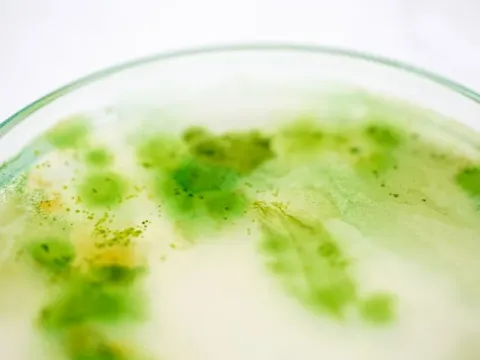
Synechocystis
Synechocystis
Synechocystis is a genus of unicellular cyanobacteria that often act as opportunistic contaminants in hydroponic systems and controlled-environment agriculture.
What the section contains
Synechocystis
As photoautotrophic organisms, they thrive in environments with abundant light and high nutrient concentrations, often colonizing nutrient solutions.
While they are not traditional parasites, they act as severe biological competitors that utilize the same nutrients intended for the primary crops.
These cyanobacteria are known for their ability to form dense biofilms, which can physically envelop roots and impede vital gas exchange processes.
In professional agricultural settings, the presence of Synechocystis is considered a significant stress factor that indicates system nutrient imbalances.
The most prominent sign of a Synechocystis outbreak is the rapid development of a vibrant green discoloration in the water reservoir.
A thin, slimy film often forms on the surface of the growing medium or the nutrient solution, reducing oxygen transfer rates.
Roots infected by or in contact with high concentrations of these cyanobacteria exhibit a characteristic green coating and a slippery texture.
Plants generally show signs of stunted development, chlorosis, and reduced vigor due to the intense competition for essential minerals.
Stagnant or improperly aerated systems often emit a musty odor as a byproduct of excessive cyanobacterial colonization.
The primary driver for the proliferation of Synechocystis is high exposure to light, especially in transparent or open water systems.
Elevated levels of nitrate and phosphate in the nutrient solution provide a perfect substrate for rapid population expansion.
They prefer warm temperatures, typically ranging from 25 to 30 degrees Celsius, which frequently overlaps with optimal growth temperatures for crops.
Lack of proper water circulation and poor aeration contribute to the formation of localized colonies, enhancing their survival rates.
The pH level of the solution also plays a role, with slightly alkaline environments favoring the growth of these specific bacteria.
The main agricultural impact is nutrient deprivation, as the cyanobacteria sequester significant amounts of nitrogen and phosphorus.
Biofilms created by Synechocystis create a physical barrier around root systems, inhibiting efficient water and nutrient uptake.
The release of secondary metabolites during the growth cycle can cause phytotoxicity, negatively affecting plant metabolism.
Sudden oxygen fluctuations in the nutrient solution due to bacterial respiration can lead to root rot and severe stress in higher plants.
The economic impact involves increased labor costs for cleaning, loss of crop quality, and the potential need for total system drainage and sterilization.
The most effective strategy is to eliminate light exposure by using opaque reservoirs and covering all exposed water surfaces.
Continuous and effective aeration is crucial for preventing the formation of stagnant zones where these bacteria flourish.
Incorporating UV-C sterilization within the circulation loop is a standard industry practice to keep cyanobacterial populations under control.
Precise nutrient management is essential; avoiding high-nutrient runoff reduces the likelihood of an outbreak significantly.
Regular maintenance of the system and occasional disinfection of equipment are necessary to ensure a healthy environment for agricultural crops.