
Description
Symptoms
The primary symptom of Cacao cushion gall is the development of abnormal, tumor-like growths known as galls on the trunks and branches of cacao trees.
In the areas where the pathogen infects the tree, the bark becomes distorted, gradually developing into knotted, woody swellings of various shapes and sizes.
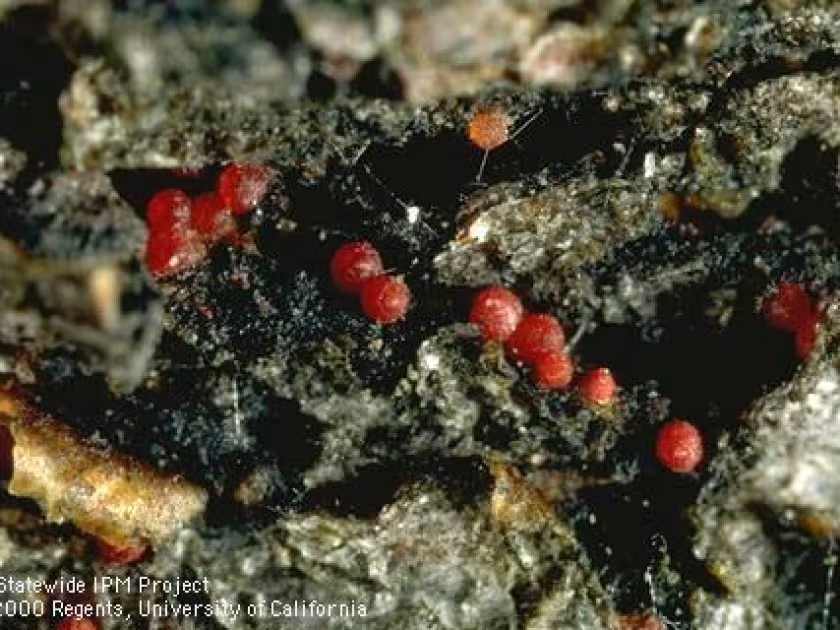
As the disease progresses, the surface of these galls often displays the fruiting bodies of the fungus, appearing as small, characteristic pink or reddish cushions.
The internal tissues of the affected parts suffer from necrosis, turning dark and dysfunctional, which restricts the flow of water and essential nutrients.
In advanced stages, the affected branches may wither and die, leading to dieback and a significant decline in the overall vigor of the cacao tree.
Pathogen
The disease is caused by the ascomycete fungus Nectria rigidiuscula, which is also commonly referred to as Fusarium decemcellulare.
This pathogen functions as a facultative parasite, capable of surviving on living host tissues as well as on decaying plant material in the soil.
Infection occurs when the fungus enters the tree through physical injuries to the bark, pruning wounds, or sites damaged by wood-boring insects.
The fungus spreads via conidia, which are easily disseminated throughout the plantation by rain splashes, wind currents, and contaminated agricultural tools.
Once inside, the mycelium proliferates within the cambium, stimulating abnormal cell division in the plant, which results in the formation of the distinctive galls.
Conditions for development
High humidity and consistent rainfall are critical environmental factors that promote the development and spread of Cacao cushion gall.
Warm temperatures in tropical cacao-growing regions provide an optimal environment for the germination of fungal spores on the bark surface.
Dense, overcrowded planting patterns that lack proper airflow significantly increase the incidence of the disease within a plantation.
Trees subjected to environmental stress, such as prolonged drought or nutrient deficiencies, show a higher susceptibility to Nectria rigidiuscula infection.
Poor orchard hygiene, particularly the presence of unsealed pruning wounds, creates multiple entry points that facilitate rapid pathogen establishment.
Why it matters
Cacao cushion gall causes substantial economic losses by stunting tree growth and significantly reducing the yield of cacao beans.
Galls that girdle entire branches can lead to the complete death of those limbs, severely reducing the canopy and the tree's photosynthetic capacity.
Chronic infection weakens the overall structure and physiological state of the tree, making it susceptible to secondary pest attacks and environmental stressors.
The disease degrades the quality of the wood and disrupts vascular transport, which is detrimental to the long-term health of the plantation.
Management costs are high due to the constant need for labor-intensive sanitation, pruning, and the potential need to replace severely affected trees.
Protection
The primary control strategy involves maintaining proper orchard spacing to ensure adequate canopy ventilation and reduced humidity around the trunks.
Regular sanitation pruning is essential; all infected branches must be removed and destroyed by burning to eliminate the primary source of inoculum.
All pruning wounds should be immediately protected with fungicidal pastes or sealants to prevent the entry of fungal spores during the healing process.
Integrated pest management is necessary to control insects that damage the bark, as these wounds serve as the primary entry sites for the pathogen.
- Selection and planting of cacao cultivars resistant to fungal infections.
- Application of balanced fertilizers to strengthen tree health and natural defenses.
- Strict sterilization of pruning tools between trees to prevent cross-contamination.
Pathogens and affected parts
Affects crops · 1
Discussion
No discussions yet — be the first.