
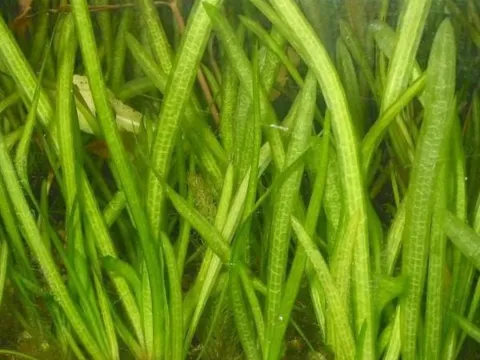
Vallisneria aethiopica
Vallisneria aethiopica
Vallisneria aethiopica is a perennial aquatic plant belonging to the Hydrocharitaceae family. Originating from the tropical freshwater systems of East Africa, this species is highly valued for its elegant, ribbon-like foliage and adaptability to freshwater environments.
What the section contains
Vallisneria aethiopica
Botanically, the plant is characterized by a basal rosette of leaves that emerge from a short rhizome. It spreads primarily through runners, forming extensive underwater meadows that provide excellent shelter for aquatic organisms and contribute to water oxygenation.
The optimal growth conditions require water temperatures between 22 and 28 degrees Celsius. Vallisneria aethiopica thrives in stable parameters with a pH range of 6.5 to 7.5, making it a reliable species for various aquatic setups that mimic its native tropical habitat.
Regarding soil requirements, the plant demands a nutrient-rich substrate consisting of fine to medium-grain sand or dedicated aquatic soil. A depth of at least 5 centimeters is necessary to support the extensive root system that anchors the plant firmly in place.
Lighting is a critical factor for successful cultivation. While it can tolerate moderate light, high-intensity light promotes faster growth and denser leaf formation. Regular pruning of older, damaged leaves is recommended to encourage the production of new, vigorous offshoots.
The primary threat to the health of this species is the overgrowth of invasive algae, which compete for light and nutrients. Keeping nutrient levels in balance and maintaining a clean aquatic environment is essential for preventing algal blooms.
Root rot is a common physiological problem caused by an anaerobic (oxygen-depleted) substrate. If the soil becomes too compacted, the root system begins to decay, leading to the yellowing and eventual loss of the entire plant structure.
Certain species of aquatic snails may browse on the tender parts of the leaves. While usually not lethal to established plants, significant damage can provide entry points for secondary bacterial infections that weaken the plant's structural integrity.
Micronutrient deficiencies, particularly of iron and potassium, are frequently observed in intensive growth environments. This results in pale, chlorotic leaves that lack the vibrant green color characteristic of healthy specimens.
Improper use of medications, especially those designed for fish treatment containing copper, can be toxic to Vallisneria species. Careful monitoring of chemical levels is necessary to protect the plant from accidental toxicity and physiological stress.