
Vallota
Vallota
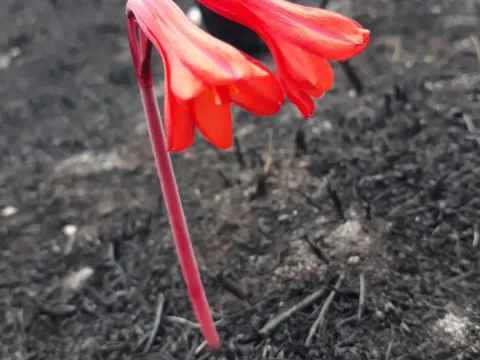
Vallota (commonly identified as Cyrtanthus elatus) is a bulbous perennial belonging to the Amaryllidaceae family. Originating from South Africa, it is widely recognized for its striking inflorescences and specific adaptation to light-rich environments.
What the section contains
Vallota
The plant requires bright, indirect light to thrive and bloom effectively. While it prefers warm temperatures during the growth phase, it necessitates a distinct resting period at lower temperatures to stimulate the development of flower scapes for the following season.
Soil composition is critical for this species; a well-draining, nutrient-rich substrate is essential. Most professional growers utilize a mixture of loam, leaf mold, and coarse sand to ensure oxygen reaches the bulb and root system, preventing compaction.
Watering frequency should be adjusted seasonally. During the summer active growth phase, keep the soil consistently moist but never waterlogged. During winter, significantly reduce water intake to allow the bulb to enter a state of dormancy.
The economic value of Vallota lies in the horticultural sector, where it serves as a high-demand ornamental crop for interior landscaping, conservatory collections, and private gardens in temperate and subtropical climates.
The most common pests affecting Vallota are mealybugs and scale insects. These organisms thrive in sheltered areas like leaf axils, sucking plant sap and weakening the bulb's vitality over extended periods if left untreated.
Fungal pathogens, particularly Fusarium rot, represent a major threat, usually triggered by poor drainage or overwatering. Once rot enters the bulb tissue, it is notoriously difficult to cure, often necessitating the disposal of the plant to prevent spread.
Spider mites are another frequent problem, especially in low-humidity environments. Regular misting and proper air circulation are recommended as primary preventive measures alongside the use of specialized acaricides if an infestation occurs.
Proper hygiene during repotting is essential to prevent soil-borne diseases. It is advisable to inspect the bulb annually, remove any necrotic tissue, and apply fungicide powder to cut surfaces before replanting in fresh, sterile substrate.
By maintaining a balanced nutrient regime, focusing on phosphorus and potassium, growers can enhance the plant's resistance to environmental stress, thereby reducing the vulnerability of the bulbs to opportunistic infections.