
Sitanion
Sitanion
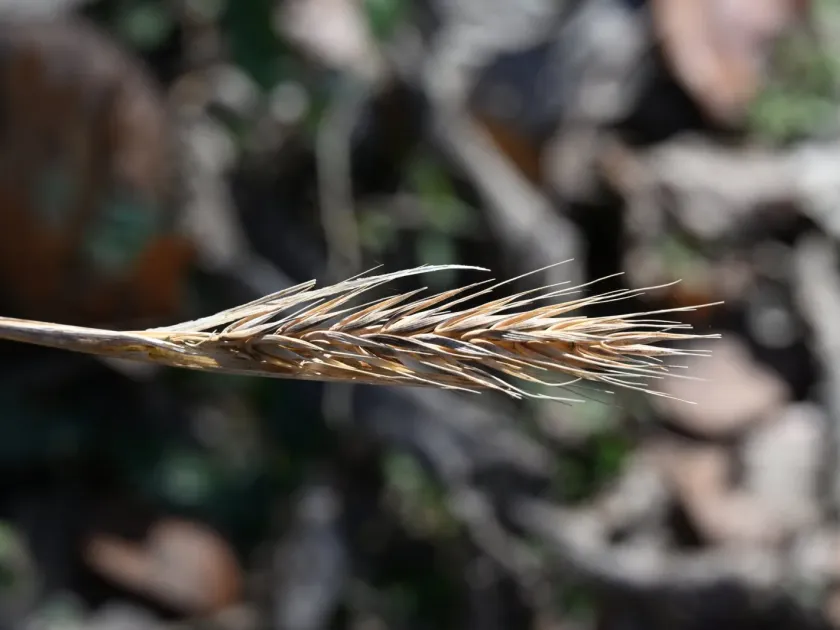
Description
Sowing dates
Sitanion is a genus of perennial grasses belonging to the Poaceae family, known for its resilience and ability to thrive in challenging environments. The plant typically propagates through seeds, which require specific conditions for germination.
For successful establishment, sowing should be conducted in late autumn or early spring. The seeds benefit from a period of cold stratification, which mimics natural environmental cycles and enhances uniform germination rates.
Planting depth should be kept shallow, generally between 1 and 2 centimeters. This ensures the seeds have sufficient contact with soil moisture without being buried too deep, which could prevent the sprouts from reaching the surface.
The seeding rate must be carefully calculated, as the plant grows in dense clumps and requires space to expand its root system. Avoiding overcrowding is essential to reduce early competition for nutrients.
The sowing area should be selected based on drainage and soil stability. Preparing a clean seedbed free of aggressive weeds is crucial, as Sitanion demonstrates slow initial growth and may struggle against faster-growing vegetation.
Growing requirements
Sitanion is highly valued for its exceptional drought tolerance. It is natively adapted to the arid and semi-arid regions of North America, where it thrives in rocky, poor-quality, and sandy soils that are unsuitable for many common crops.
The plant demonstrates significant tolerance to extreme temperature fluctuations. Its deep and expansive root system allows it to reach sub-surface water reserves, maintaining viability during prolonged periods of drought.
Regarding soil preferences, it favors well-drained conditions. While it can survive in various soil types, it performs best in neutral to slightly alkaline environments common in mountainous terrains and open prairies.
Sitanion requires full sun exposure and does not compete well in shaded areas. Its growth pattern is characterized by long periods of survival under harsh conditions followed by rapid biomass accumulation when moisture becomes available.
Soil aeration is critical for its long-term health. The root system performs best when oxygen can freely circulate, making it an ideal choice for slopes and areas susceptible to soil erosion.
Yield
The primary agricultural use of Sitanion is as a high-quality component of rangelands and natural pastures. It serves as an essential source of forage for livestock and wild ungulates in environments where other grasses are scarce.
The yield of forage is highly variable and depends heavily on seasonal precipitation. It remains relatively palatable for a significant portion of the growing season, though the presence of long awns on the spikes can be a limiting factor when the plant is mature.
Strategic grazing management is vital to maximize yield. By grazing the plants before they reach full seed maturity, ranchers can prevent the plant from becoming too coarse and ensure the nutritional value remains high for the herd.
The plant exhibits great resilience to grazing pressure if allowed proper recovery periods. Rotational grazing systems are ideal for maintaining the vigor of the stand and ensuring sustained production over multiple years.
In addition to its forage value, Sitanion provides significant ecosystem services, such as stabilizing soils on disturbed sites. This dual utility makes it a preferred species in land restoration projects and rangeland improvements.
Main diseases and pests
The most significant threat to Sitanion populations is overgrazing. Continuous pressure from livestock prevents the plant from storing sufficient energy in its root system, eventually leading to local extinction and site degradation.
While generally hardy, the plant can be susceptible to fungal diseases such as leaf rust if subjected to prolonged periods of high humidity and poor air circulation, although this is rare in its native arid habitats.
Insects and pests that target native grasses can occasionally cause damage. However, in a balanced ecological system, the presence of natural predators usually keeps pest populations below the threshold that would require chemical intervention.
Invasive weed species pose a constant threat to Sitanion stands, particularly in areas where the native cover has been disturbed or weakened. Monitoring for competitive weeds is a key part of proper pasture maintenance.
Viruses transmitted by aphids or other vectors can potentially affect the species if it is growing near infested agricultural crops. Maintaining a healthy buffer and preventing the introduction of non-native pathogens is standard practice.