
Small-flowered basil
Ocimum micranthum
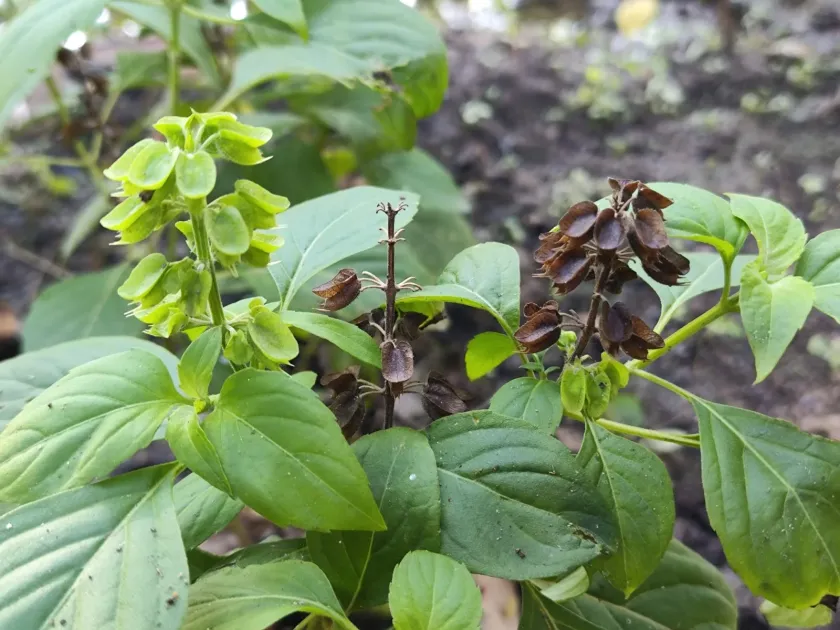
Description
Sowing dates
Small-flowered basil is a highly heat-loving crop, requiring stable temperatures of 15–20 degrees Celsius for germination and initial growth stages, so direct seeding outdoors should wait until late spring.
In regions with shorter summers, starting seeds in greenhouses or indoors about 40–50 days before the last frost is recommended to ensure the plant reaches maturity within the optimal season.
The seeds should be sown thinly in a nutrient-rich, well-draining substrate, as they are light-dependent for germination and should not be buried more than 0.5–1 centimeter deep.
Proper spacing between plants is crucial to avoid overcrowding, which can significantly inhibit airflow and increase the susceptibility of the crop to fungal diseases and stunted growth.
Consistent soil moisture must be maintained during the seedling stage, but once established, the plants prefer a balance that avoids excessive saturation to prevent root system stress.
Growing requirements
As a member of the Lamiaceae family, this crop thrives in full sun, requiring at least 8–10 hours of direct daily sunlight to produce the essential oils responsible for its characteristic aroma.
The soil should be fertile, light, and neutral to slightly acidic, with excellent drainage capacity to prevent the root rot commonly associated with waterlogged or heavy clay conditions.
This basil species is strictly non-frost hardy and reacts negatively to temperatures below 10 degrees Celsius, which can cause leaf yellowing and a halt in metabolic activity.
Irrigation should be regular yet controlled, as intermittent drying of the topsoil layer can encourage deeper root growth, while continuous saturation often leads to pathogen buildup.
During the rapid vegetative growth phase, providing nitrogen-rich fertilizers can boost biomass production, although over-fertilization should be avoided to maintain the intensity of essential oils.
Yield
Yield metrics for small-flowered basil depend on climate, soil fertility, and the frequency of pruning, which helps maintain plant vigor and increases total harvested leaf biomass.
Under intensive cultivation systems, farmers can expect a yield of approximately 1.5–2 kilograms of fresh produce per square meter, provided that irrigation and pest control are strictly managed.
The culinary and medicinal value of this plant lies in its leaves and flowers, which are harvested when the plant begins to bud to ensure the highest concentration of phytochemicals.
The agricultural usage of this species spans from fresh market herb production to large-scale extraction of essential oils for the fragrance and pharmaceutical industries globally.
Regular pinching of the main stem and side shoots is a proven technique to maximize yield, effectively transforming the plant into a bushy structure that provides multiple harvests throughout the season.
Main diseases and pests
The most significant threats to the crop include Fusarium wilt and various soil-borne pathogens like Pythium or Phytophthora, which typically thrive in warm, overly humid conditions.
Pests such as aphids, spider mites, and whiteflies can infest the plants, particularly when grown in protected environments like greenhouses with inadequate ventilation or improper humidity levels.
Integrated pest management strategies are advised, emphasizing the importance of biological control agents and crop rotation to prevent the accumulation of soil-borne diseases over time.
Maintaining air circulation around the plants is the most effective cultural practice to suppress mold and mildew, especially when humidity spikes during the mid-summer growth cycle.
- Fusarium wilt (vascular damage)
- Damping-off (seedling death)
- Aphids (sap-sucking insects)
- Spider mites (leaf damage)
Harvesting
Harvesting should be performed by selectively pruning the upper portions of the branches, leaving enough of the plant structure to allow for rapid regeneration and subsequent cuts.
For the best commercial quality, harvesting is best conducted in the early morning hours, which helps preserve the volatile aromatic compounds that often dissipate under high heat.
Post-harvest management involves immediate cooling or air-drying the foliage in a shaded, ventilated area to prevent oxidation and to retain the vibrant green color of the leaves.
Proper storage temperatures for fresh basil are critical, specifically maintaining a range of 4 to 6 degrees Celsius, as lower temperatures can cause chilling injury to the sensitive leaf tissue.
Packaging harvested produce in breathable containers or specialized herb films ensures minimal moisture loss while preventing the rapid wilting that often occurs in standard storage conditions.