
Licuala horrida
Licuala horrida
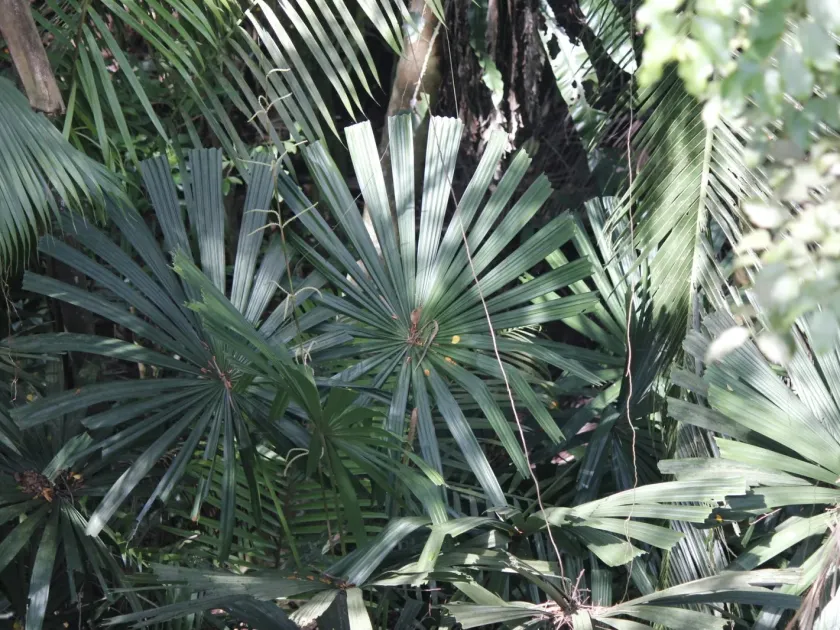
Description
Growing requirements
Licuala horrida is a distinct species of fan palm belonging to the Arecaceae family. Native to the tropical regions of Southeast Asia, this plant thrives in the understory of dense forests, where it benefits from filtered light and consistently high atmospheric moisture.
The botanical structure of Licuala horrida is characterized by its large, deeply segmented, fan-shaped leaves which have a rugged, somewhat prickly appearance. It is a slow-growing plant that maintains a compact size, making it suitable for specialized collections.
Cultivation requirements necessitate a warm environment with temperatures ideally ranging between 22 and 28 degrees Celsius. Protection from direct sunlight is crucial to prevent leaf scorching, as the plant is naturally adapted to the shade of larger tropical trees.
The ideal soil substrate must be well-draining, nutrient-rich, and slightly acidic. It is essential to ensure that the potting medium does not become waterlogged, as the roots are highly susceptible to rot if left sitting in stagnant water for extended periods.
The primary use of this species is ornamental. It is highly valued in greenhouse management and interior landscaping for its architectural foliage, which adds a distinct tropical aesthetic to any collection of exotic indoor or greenhouse plants.
Main diseases and pests
Common pests affecting Licuala horrida include spider mites and scale insects, which often appear when ambient humidity levels drop too low. Frequent monitoring of leaf undersides is recommended to catch infestations before they spread significantly.
Pathogenic issues such as leaf spot diseases can occur due to poor air circulation or excessive moisture on the foliage. To mitigate these risks, it is important to ensure proper ventilation around the plant and to keep the leaves dry during evening hours.