
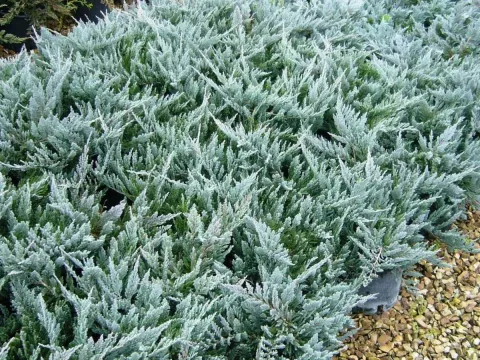
Glaucous juniper
Juniperus glaucescens
The glaucous juniper (Juniperus glaucescens) is a member of the Cupressaceae family, prized for its characteristic blue-tinted foliage and resilience in various landscape designs.
What the section contains
Glaucous juniper
Propagation is typically achieved through stem cuttings, which are harvested in late spring. This ensures that the offspring remain genetically identical to the parent plant.
Cuttings should be placed in a well-draining rooting medium, such as a mix of peat and perlite, under mist conditions to maintain high humidity while rooting occurs.
Direct seeding is possible but less common in commercial nurseries due to the lengthy stratification period required for the seeds to break dormancy and germinate.
When transplanting young shrubs to the field, growers must ensure that the root ball remains intact, as the root system of Juniperus species is susceptible to shock.
This species thrives in well-drained, sandy or loamy soils. It is particularly intolerant of waterlogged conditions, which can quickly lead to root rot in the plantation.
Site selection is crucial: the plants require full sun to partial shade to maintain their vibrant glaucous color and to prevent the thinning of the inner foliage.
Once established, the crop demonstrates significant drought tolerance, making it an efficient choice for large-scale landscaping or areas with limited water resources.
Fertilization should be applied sparingly, preferably using slow-release fertilizers formulated specifically for conifers to encourage healthy, steady growth.
Mulching with organic matter is recommended to suppress weed competition and stabilize soil temperatures around the shallow root zone during the heat of the summer.
Rust diseases, such as those caused by Gymnosporangium fungi, are the most frequent threats, appearing as swellings on branches that release spores during wet weather.
Spider mites are a common pest problem, particularly in hot and dry climates, where they feed on the needles, causing them to turn yellow and eventually drop.
Phomopsis blight is another concern, often attacking wounded or stressed plants; therefore, pruning should be conducted carefully to avoid creating entry points for pathogens.
Integrated Pest Management (IPM) practices, including the use of horticultural oils and targeted fungicides, are recommended for maintaining plantation health.
Regular monitoring of the canopy for signs of discoloration or stunted growth allows for early intervention, significantly improving the chances of recovery for affected shrubs.