
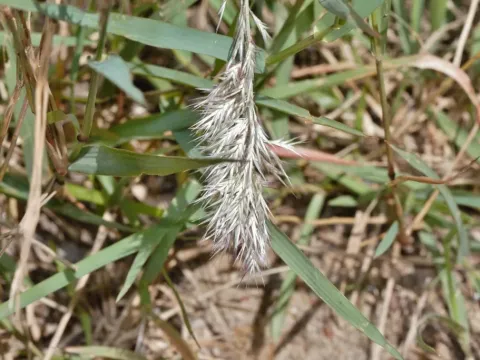
Harpachne schimperi
Harpachne schimperi
Harpachne schimperi is a perennial grass species belonging to the Poaceae family. This plant is well-known for its adaptation to arid and semi-arid environments, particularly in the tropical regions of East Africa.
What the section contains
Harpachne schimperi
The plant originates from the Ethiopian highlands and surrounding regions, where it has evolved to thrive in harsh conditions. Its natural habitat includes grasslands and rocky slopes where other forage crops struggle to survive.
Botanically, it features a tufted growth habit and slender leaves that are highly resilient. The root system is robust, allowing the grass to stabilize soil structures and reach deeper moisture levels during periods of drought.
The crop thrives in well-drained, porous soils, including sandy and rocky substrates. It is highly intolerant of waterlogged conditions, requiring excellent aeration for optimal root development and nutrient uptake.
For cultivation, Harpachne schimperi requires full sunlight and warm temperatures. It is an opportunistic grower, quickly taking advantage of rainfall to produce biomass before entering a dormant phase during peak dryness.
Harpachne schimperi is primarily utilized as a forage resource for livestock. It provides essential grazing material in regions where high-intensity forage crops cannot be maintained without significant irrigation.
Yields of biomass are variable and highly dependent on seasonal precipitation patterns. Under favorable conditions, the grass provides a consistent source of fiber for cattle, goats, and sheep grazing on native rangelands.
In agricultural practice, incorporating this grass into pasture management plans helps maintain soil stability and forage availability. It is often managed through rotational grazing systems to ensure sustained productivity over multiple seasons.
While not a primary commercial hay crop, it contributes significantly to the overall nutritional capacity of savanna ecosystems. Its regrowth potential after light grazing makes it a staple for pastoralists.
Future management of this species involves optimizing the stocking rate to maximize yield while preventing land degradation. Proper care ensures the persistence of this resilient grass in semi-arid pastoral systems.
The crop is susceptible to various fungal pathogens, particularly leaf rusts that emerge during humid periods. These infections can reduce the palatability and nutritional content of the grass for livestock.
Pest threats include locusts and various orthopteran species that feed on vegetative parts. Severe infestations can significantly reduce the photosynthetic area, causing stunted growth and lower seasonal yields.
Overgrazing poses the most significant threat to the survival of Harpachne schimperi populations. When grazed too short, the plant loses its ability to store carbohydrates in its root system, weakening it for the next season.
Competition from more aggressive, invasive shrub species can limit the light availability for this grass. Managing canopy cover in rangelands is crucial for maintaining healthy patches of Harpachne.
Mitigation strategies include periodic resting of grazing lands and monitoring for localized pathogen outbreaks. These cultural practices are essential for protecting the long-term viability of the pasture.