
Halimiocistus
Halimiocistus
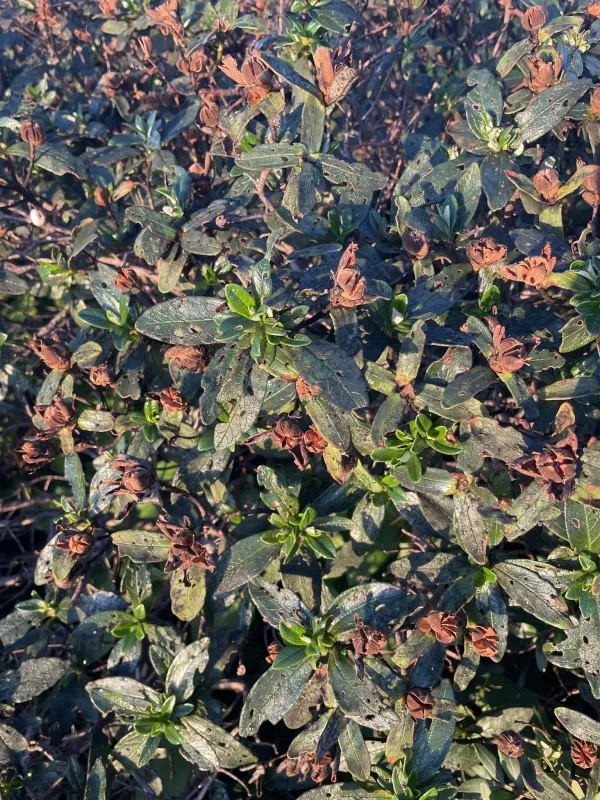
Description
Growing requirements
Halimiocistus is a notable intergeneric hybrid resulting from the crossing of plants within the Halimium and Cistus genera, both belonging to the Cistaceae family. It is recognized as an evergreen shrub prized for its dense growth habit and elegant, often papery, flowers that provide high aesthetic value.
Native to the Mediterranean region, this plant has evolved to thrive in environments characterized by hot, dry summers and mild winters. Consequently, in horticultural practice, it is classified as a sun-loving species that demands high levels of direct solar radiation to maintain its structural integrity and vigor.
Soil requirements for Halimiocistus are specific: it necessitates excellent drainage to prevent root rot, which is a common failure point for the species. It performs best in poor, sandy, or rocky soils, as these conditions mirror its natural habitat and help keep the plant compact and hardy throughout the year.
The agrotechnical management of the crop is relatively low-maintenance, requiring minimal irrigation once the plant is established. Pruning is an essential maintenance task, performed strictly after flowering, to prevent the plant from becoming woody and leggy and to encourage a bushier development for the subsequent season.
Economically, this plant is primarily utilized in the nursery trade and for high-end landscape architecture. It is widely specified for xeriscaping projects, coastal gardens, and rockeries due to its high tolerance for drought and its ability to maintain lush green foliage even in nutrient-poor sites.
Main diseases and pests
The primary threats to the viability of Halimiocistus are soil-borne pathogens, particularly Phytophthora species, which thrive in poorly drained substrates. To mitigate this risk, growers must ensure that soil preparation includes sufficient aggregate materials like gravel or coarse sand to facilitate water passage.
Insect pests such as aphids or scale insects may occasionally inhabit the foliage, especially when the plants are grown in confined or sheltered nursery conditions. Integrated pest management, focusing on early detection and the use of insecticidal soaps, is usually sufficient to handle these challenges without impacting the plant's overall health.