
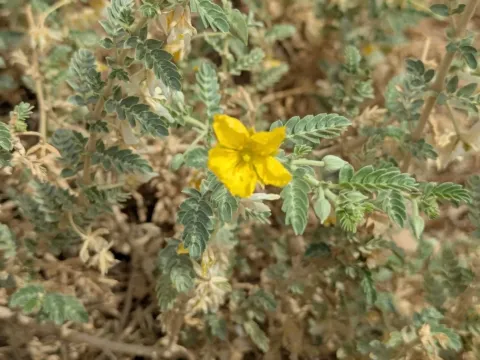
Tribulus macropterus
Tribulus macropterus
Tribulus macropterus is a specialized agricultural crop belonging to the Zygophyllaceae family. Originating from the arid regions of North Africa and Western Asia, this plant is remarkably adapted to extreme heat and prolonged drought periods.
What the section contains
Tribulus macropterus
Botanically, it is characterized by creeping stems and pinnate leaves. The fruits of the plant possess distinct wing-like structures, which serve as a mechanism for seed dispersal across the sandy landscapes of its native range.
The crop thrives in regions with intense solar radiation and minimal rainfall. It requires high temperatures during the growing season to reach full maturity, making it highly unsuitable for humid or temperate zones.
In terms of soil requirements, Tribulus macropterus prefers sandy, porous soils with excellent drainage properties. It is highly tolerant of saline environments, where other agricultural crops would fail to establish a root system.
Economically, this species is cultivated primarily for its pharmacologically active compounds. The harvesting of its plant material is highly valued in the production of herbal supplements, while the plant itself provides ecological benefits by stabilizing loose soils.
The primary threats to Tribulus macropterus include fungal infections such as root rot. These are almost exclusively caused by over-irrigation or poor soil drainage, which disrupts the plant's natural adaptation to dry environments.
Pests such as aphids and locusts pose a threat to the vegetative parts of the plant. If left unchecked, these insects can cause significant defoliation and reduce the overall yield of the medicinal active ingredients.
Rodents represent a critical risk to the crop by consuming the seeds contained within the fruit capsules. Protecting the fields with appropriate perimeter management is essential for maintaining harvest density.
Viral diseases transmitted by sucking insects can cause stunted growth in the crop. Implementing strict monitoring programs is a necessary step to ensure the health of the plantation throughout the growing cycle.
To combat these threats, integrated pest management (IPM) practices are highly recommended. This involves crop rotation and the strategic use of organic deterrents to minimize chemical intervention while maintaining high quality standards.